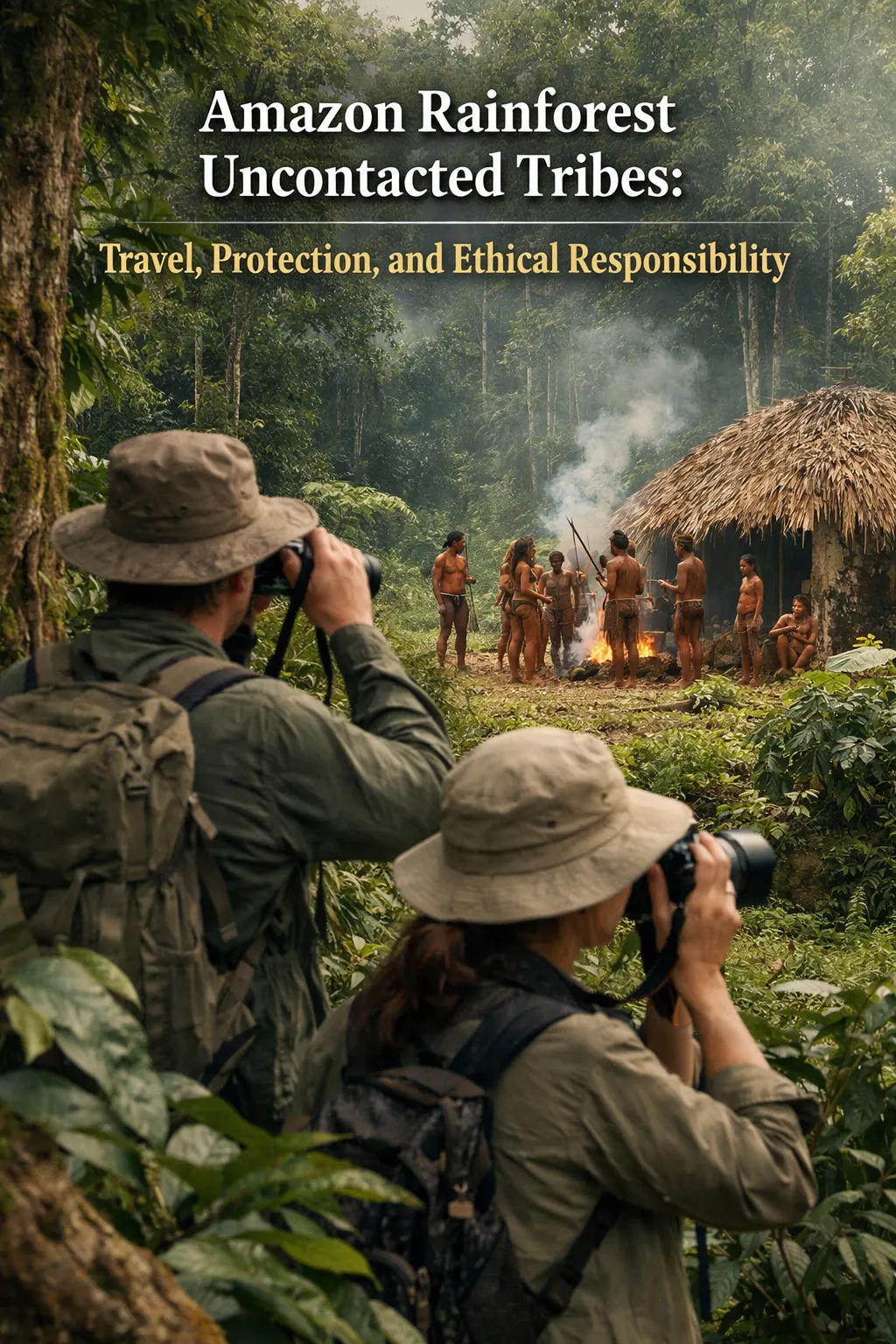
The Amazon rainforest is often imagined as the last great wilderness on Earth — a vast green ocean stretching across South America, alive with wildlife, rivers, and cultures older than recorded history. Yet beyond the adventure stories and jungle expeditions lies a reality that few travelers fully understand: deep within this rainforest live indigenous peoples who have chosen to remain isolated from the outside world.
The uncontacted tribes of the Amazon rainforest represent some of the most vulnerable and culturally unique communities on the planet. For travelers interested in Amazon rainforest exploration, understanding their existence is not about seeking contact — it is about respect, protection, and ethical responsibility.
This guide explores who these isolated indigenous tribes are, where they live, why they remain uncontacted, and what responsible travelers should know before planning any Amazon journey.
Who Are the Uncontacted Tribes of the Amazon?
Uncontacted tribes — more accurately described as peoples living in voluntary isolation — are indigenous groups who have little or no sustained contact with global society. Many descend from communities that survived the brutal impacts of colonization, disease, slavery, and exploitation during the rubber boom and earlier colonial periods.
What Does “Uncontacted” Really Mean?
The term does not mean these groups are unaware of the outside world. In many cases, they actively avoid contact due to historical trauma. Epidemics introduced by outsiders devastated indigenous populations for centuries. Today, isolation is often a deliberate strategy for survival.
These communities live according to traditional knowledge systems, relying on hunting, fishing, small-scale agriculture, and deep ecological understanding of the rainforest.
Where Do They Live in the Amazon Basin?
Most uncontacted tribes are found in remote border regions of Brazil and Peru, particularly in the vast territories of the western Amazon.
In Brazil, the largest concentration exists in the Javari Valley, protected by the government agency FUNAI. This region, near the border with Peru, is one of the most biodiverse and culturally significant areas on Earth.
In Peru, protected territories such as the Madre de Dios region and areas near Iquitos are legally designated as indigenous reserves. The Peruvian Ministry of Culture enforces strict protections to prevent outside intrusion.
How Many Isolated Tribes Exist Today?
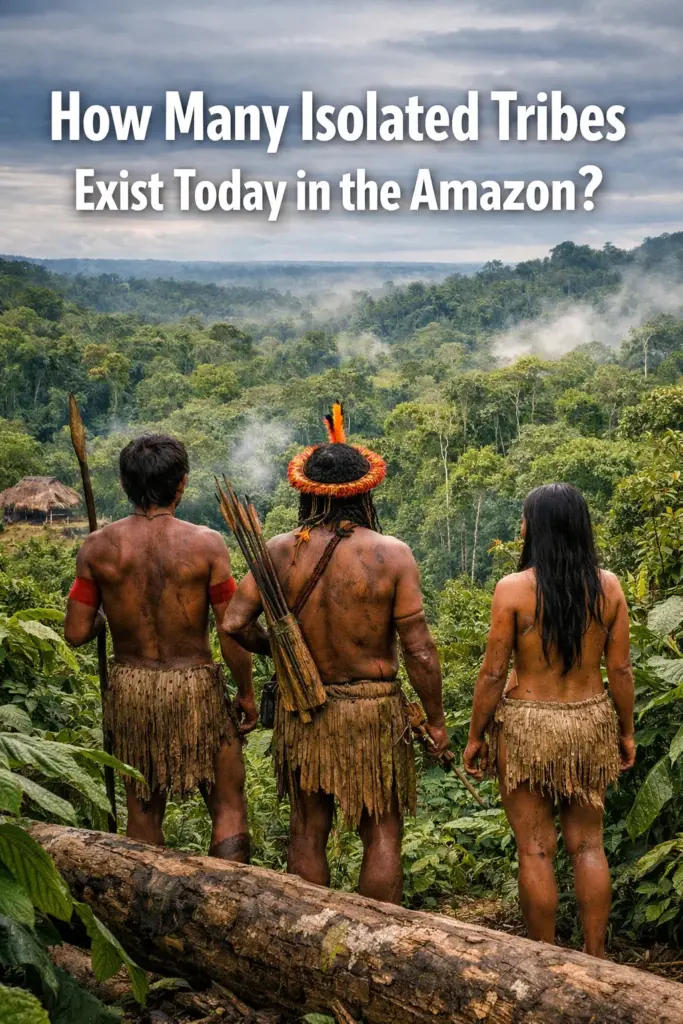
Experts estimate there are more than 100 isolated indigenous groups worldwide, with the majority located in the Amazon Basin. Brazil alone recognizes over 25 confirmed uncontacted groups.
Because these communities intentionally avoid outsiders, precise population numbers remain unknown.
The Regions Where Isolated Tribes Live
Javari Valley in Brazil
The Javari Valley is one of the most protected indigenous territories in the world. Covering an area larger than Austria, it is home to multiple uncontacted tribes and contacted indigenous communities. Access is heavily restricted and monitored by FUNAI.
Indigenous Reserves in Peru
Peru has established several “Reservas Indígenas” to safeguard isolated tribes. These areas are off-limits to tourism and commercial activity. Regions near Iquitos serve as departure points for Amazon jungle tours, but reputable operators strictly avoid restricted zones.
Remote Areas of Colombia and Bolivia
Smaller populations of isolated peoples are believed to live in border forests of Colombia and Bolivia, though protections vary by country.
Can You Visit Uncontacted Tribes in the Amazon?
The simple answer is no — and you should not try.
Legal Restrictions and Government Protection
Governments in Brazil and Peru have made it illegal to approach or attempt contact with isolated tribes. These laws exist to protect both the tribes and outsiders.
In Brazil, entry into protected indigenous territories without authorization can result in criminal prosecution.
Health Risks and Ethical Concerns
Uncontacted tribes have little immunity to common diseases such as influenza or measles. Even minimal exposure could cause devastating outbreaks.
Beyond health risks, attempting contact violates their right to self-determination. Ethical Amazon rainforest travel means recognizing that not every place — and not every culture — is meant for tourism.
Why Responsible Travelers Must Keep Distance
Curiosity should never outweigh human rights. Responsible Amazon travel involves education and advocacy, not intrusion.
Responsible Amazon Travel Near Indigenous Territories
While visiting uncontacted tribes is forbidden, travelers can still experience the Amazon respectfully.
Visiting Contacted Indigenous Communities
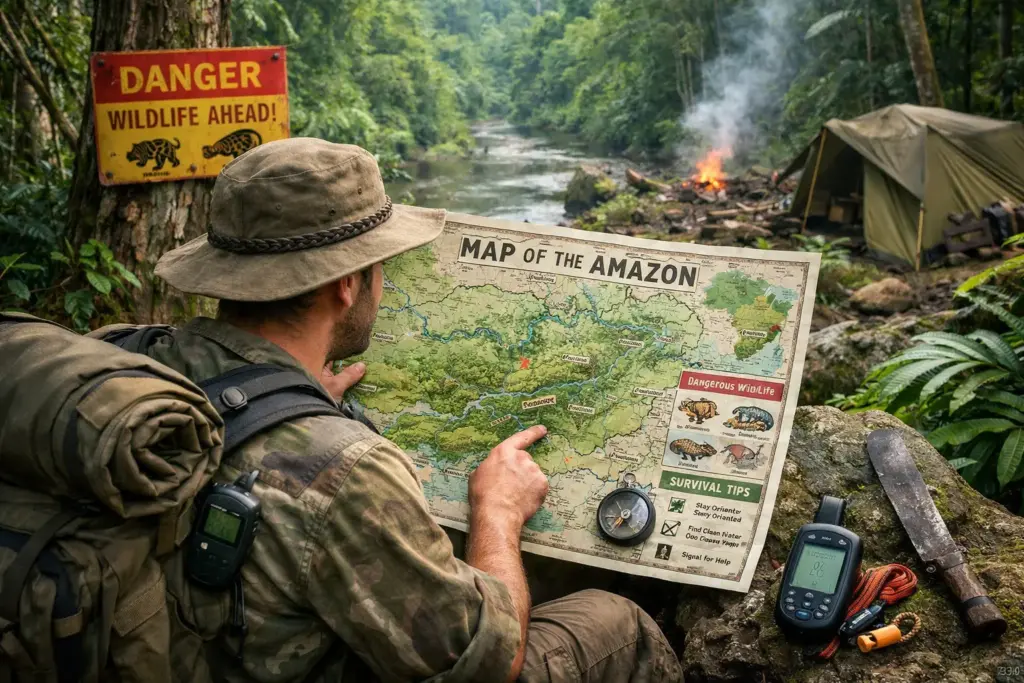
Many indigenous communities in Peru and Brazil welcome visitors under controlled, community-based tourism programs. These experiences provide cultural exchange, economic support, and educational value — without endangering isolated groups.
In Peru’s Amazon near Iquitos, travelers can visit river communities that choose to share traditional knowledge, crafts, and ecological practices.
Choosing Ethical Amazon Jungle Tours
When selecting Amazon eco tours:
- Verify the company follows government regulations
- Ensure tours do not advertise contact with isolated tribes
- Support locally owned operations
- Avoid companies promoting “tribe spotting” experiences
Responsible operators prioritize wildlife observation, rainforest conservation, and cultural respect.
Supporting Conservation Efforts
Travelers indirectly protect isolated tribes by supporting rainforest conservation initiatives. Reduced deforestation means preserved indigenous territories.
Threats Facing Uncontacted Amazon Tribes
Despite legal protections, isolated tribes face increasing threats.
Illegal Logging and Mining
Gold mining and logging operations often encroach upon protected lands. These activities bring roads, violence, and disease.
Drug Trafficking and Land Invasions
Remote border areas are sometimes exploited by illegal groups, increasing risks for indigenous communities.
Climate Change and Deforestation
Climate shifts affect food systems, wildlife migration, and river cycles — directly impacting survival for communities dependent on traditional subsistence practices.
The Future of Amazon Isolated Tribes and Sustainable Tourism
The survival of uncontacted tribes depends on strong land rights, effective enforcement, and global awareness.
Indigenous Land Rights
Recognizing indigenous territorial sovereignty is one of the most effective conservation strategies in the Amazon. Studies consistently show that indigenous-managed lands experience lower deforestation rates.
Conservation Policies
Brazil’s indigenous protection policies under FUNAI and Peru’s indigenous reserve system play critical roles in safeguarding isolated groups — though enforcement challenges remain.
How Travelers Can Help
Travelers contribute positively by:
- Choosing ethical tour operators
- Supporting indigenous-owned enterprises
- Advocating for rainforest conservation
- Educating others about responsible travel
The Amazon rainforest is not merely a destination. It is a living cultural and ecological system where some of humanity’s last voluntarily isolated peoples continue to thrive — quietly, deliberately, and on their own terms.
Understanding the reality of Amazon rainforest uncontacted tribes transforms travel from consumption into stewardship. The greatest respect a traveler can show is not to seek them out — but to ensure they are left undisturbed, protected, and empowered to decide their own future.
In the end, responsible Amazon travel is not about discovering the unknown. It is about protecting it.