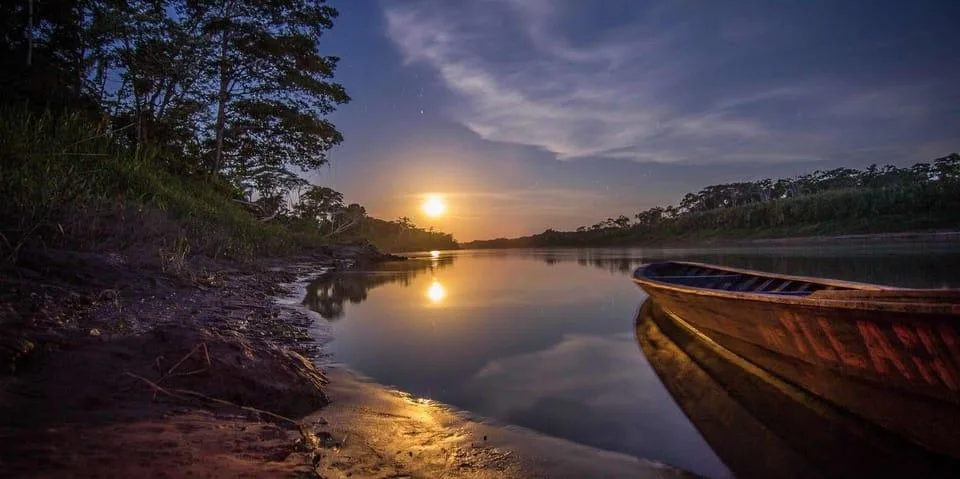
Amazon river cruises have long been one of the most immersive ways to experience the world’s largest rainforest. Drifting along winding waterways, travelers encounter vibrant wildlife, towering trees, and the rhythmic pulse of nature. Yet beneath this breathtaking experience lies a growing environmental challenge. Across the Amazon rainforest, climate change is reshaping the ecosystem that makes these journeys possible.
This article explores how climate change is transforming the Amazon rainforest and what it means for the future of Amazon river cruises, rainforest tourism, biodiversity, and local communities.
The Amazon River Cruise Experience: A Fragile Paradise
Amazon river cruises offer more than sightseeing—they provide direct access to one of the most biodiverse regions on Earth. Travelers can explore oxbow lakes, navigate dense jungle waterways, and observe wildlife in their natural habitat.
Popular Amazon cruise experiences include:
- River expeditions through protected rainforest reserves
- Wildlife-focused jungle tours and night safaris
- Eco-lodge stays connected by river transport
- Multi-day Amazon basin cruise itineraries
However, these once predictable and stable experiences are becoming increasingly affected by climate instability. River levels fluctuate, wildlife patterns shift, and weather conditions grow more extreme—altering the traditional Amazon travel experience.
Rainfall Chaos: How Climate Change Disrupts Amazon River Cruises
Unpredictable Seasons and Travel Disruptions
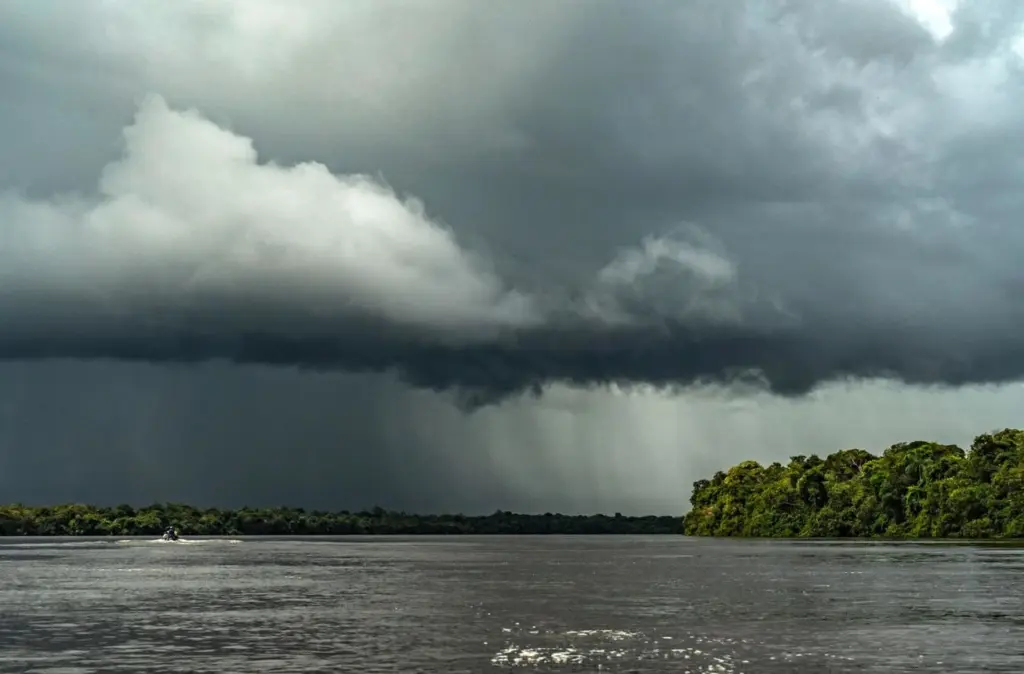
Historically, Amazon river cruises relied on a reliable cycle of wet and dry seasons. Today, that pattern is becoming increasingly unpredictable.
- Sudden floods can submerge trails and infrastructure
- Heavy rainfall makes river navigation more dangerous
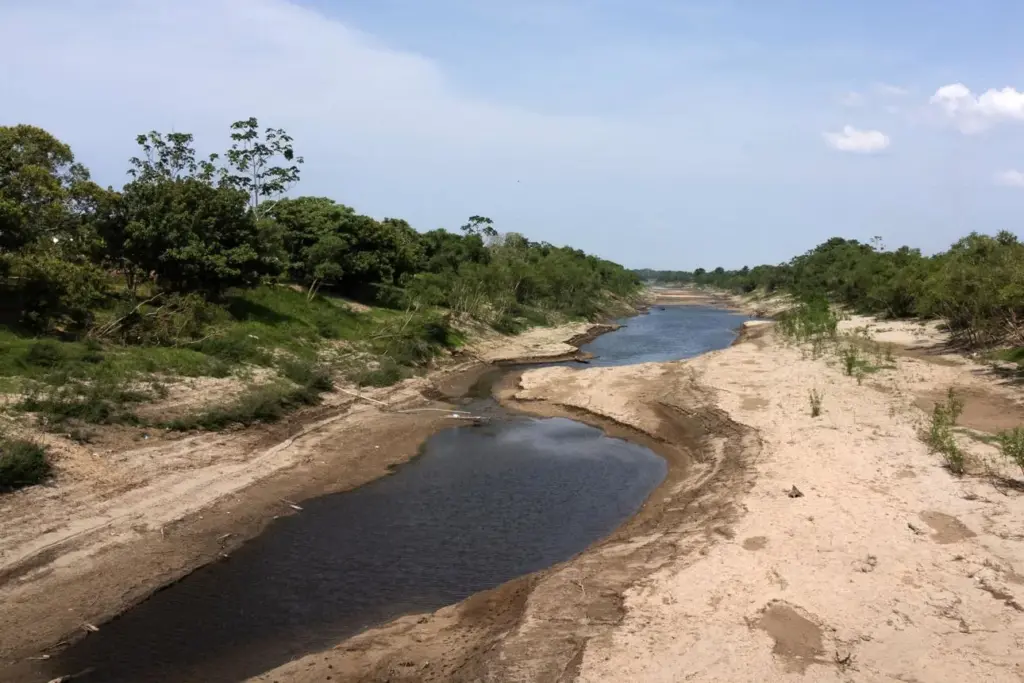
- Unexpected droughts reduce water levels, limiting boat access
For travelers, this means:
- Cruise routes may change unexpectedly
- Wildlife sightings become less predictable
- Certain regions may be temporarily inaccessible
The Hydrological Crisis
The Amazon rainforest maintains its climate through evapotranspiration—a natural process where trees release moisture into the atmosphere, generating rainfall. However, rising temperatures and deforestation are weakening this cycle.
Consequences include:
- Reduced rainfall consistency
- Lower river levels during dry periods
- Increased frequency of extreme weather events
Since Amazon river cruises depend entirely on stable waterways, these disruptions pose a direct challenge to tourism across the Amazon basin.
Forest Under Stress: Changing Landscapes of the Amazon Rainforest
Tree Mortality and Carbon Imbalance
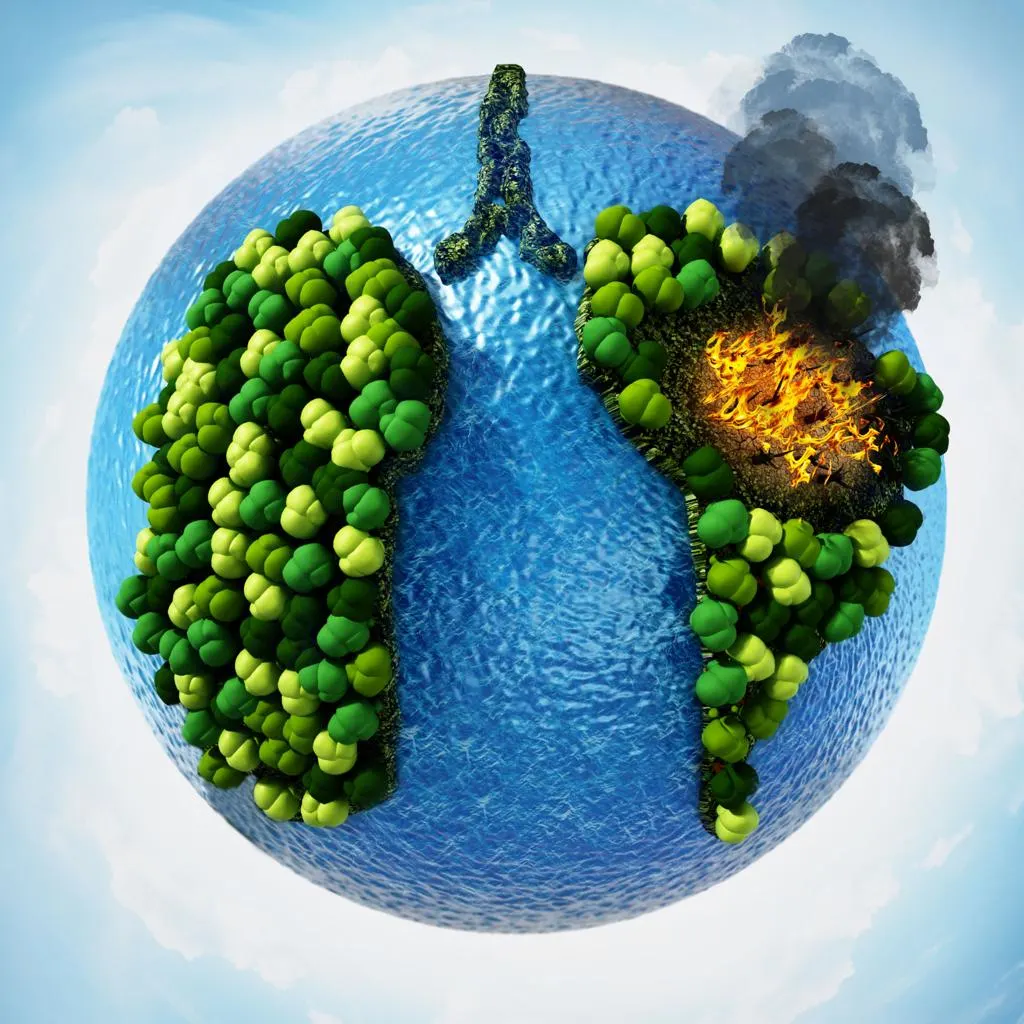
The Amazon rainforest has traditionally acted as a massive carbon sink, absorbing carbon dioxide and helping regulate the global climate. However, this balance is shifting.
- Trees weakened by heat and drought are dying faster
- Stored carbon is being released back into the atmosphere
- Forest regeneration is slowing
For visitors on Amazon river cruises, this may translate to noticeable changes:
- Less dense forest canopy in some areas
- Increased visibility of degraded land
- A gradual shift in the visual richness of the rainforest
Deforestation Meets Climate Stress
Deforestation from logging, agriculture, and mining continues to threaten the Amazon. Climate change intensifies these impacts:
- Drier conditions increase the likelihood of wildfires
- Stressed forests become more vulnerable to clearing
- Loss of tree cover reduces rainfall, worsening drought conditions
This destructive cycle not only damages ecosystems but also affects the overall experience of Amazon river travel.
Wildlife Encounters Are Changing
Shifting Habitats and Elusive Species
One of the main attractions of Amazon river cruises is the opportunity to see wildlife. However, climate change is altering animal behavior and habitats.
- Species are moving deeper into the forest
- Some animals are becoming harder to spot
- Aquatic ecosystems are suffering during droughts
Examples include:
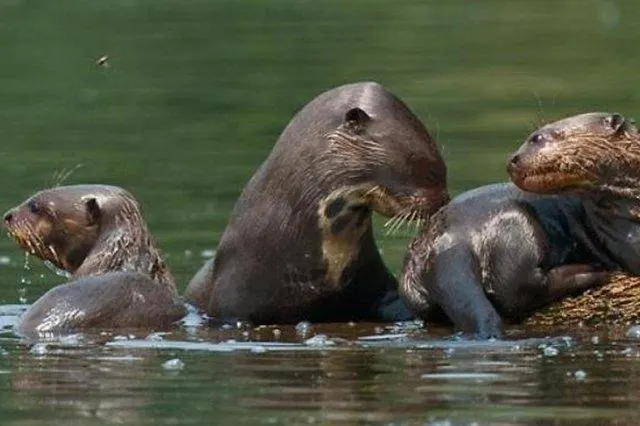
- Giant river otters facing reduced fish populations
- Amphibians struggling with temperature sensitivity
- Birds changing nesting and migration patterns
Ecosystem Imbalance
Rising temperatures are disrupting ecological balance:
- Pest populations are increasing
- Pollinators like bees and butterflies are declining
- Plant reproduction is being affected
These changes contribute to a less vibrant ecosystem, impacting both biodiversity and the quality of wildlife encounters for travelers.
Local Communities and Sustainable Tourism
Agriculture Under Pressure
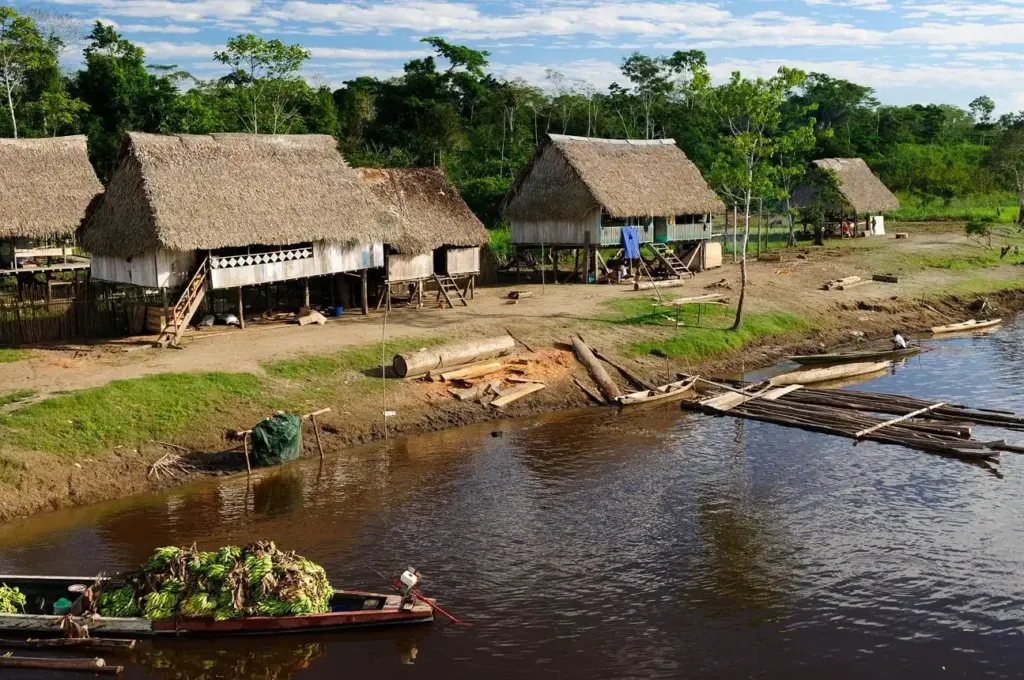
Communities across the Amazon rainforest depend heavily on agriculture, growing crops such as bananas, cacao, and tropical fruits. Climate change is making traditional farming increasingly difficult.
- Irregular rainfall disrupts planting cycles
- Crop yields are declining
- Food security is becoming more uncertain
The Role of Eco-Tourism
Amazon river cruises play a crucial role in supporting local economies throughout the region. Sustainable tourism is becoming more important than ever.
Responsible operators are:
- Supporting conservation initiatives
- Reducing environmental impact
- Educating travelers about climate change
Eco-tourism, when managed properly, can help protect the rainforest while providing income for local communities.
Climate Science in the Amazon: A Living Laboratory
The Amazon rainforest is becoming a key focus for climate research.
Scientists are using:
- Satellite data to monitor deforestation and weather patterns
- Climate stations to track temperature and rainfall
- River monitoring systems to observe water level changes
At the same time, indigenous communities contribute valuable knowledge based on generations of environmental observation. This combination of modern science and traditional wisdom is essential for understanding and addressing climate change.
Why Amazon Matter Globally
The Amazon rainforest plays a critical role in maintaining the Earth’s climate balance.
- It regulates global weather systems
- It stores billions of tons of carbon
- It supports unmatched biodiversity
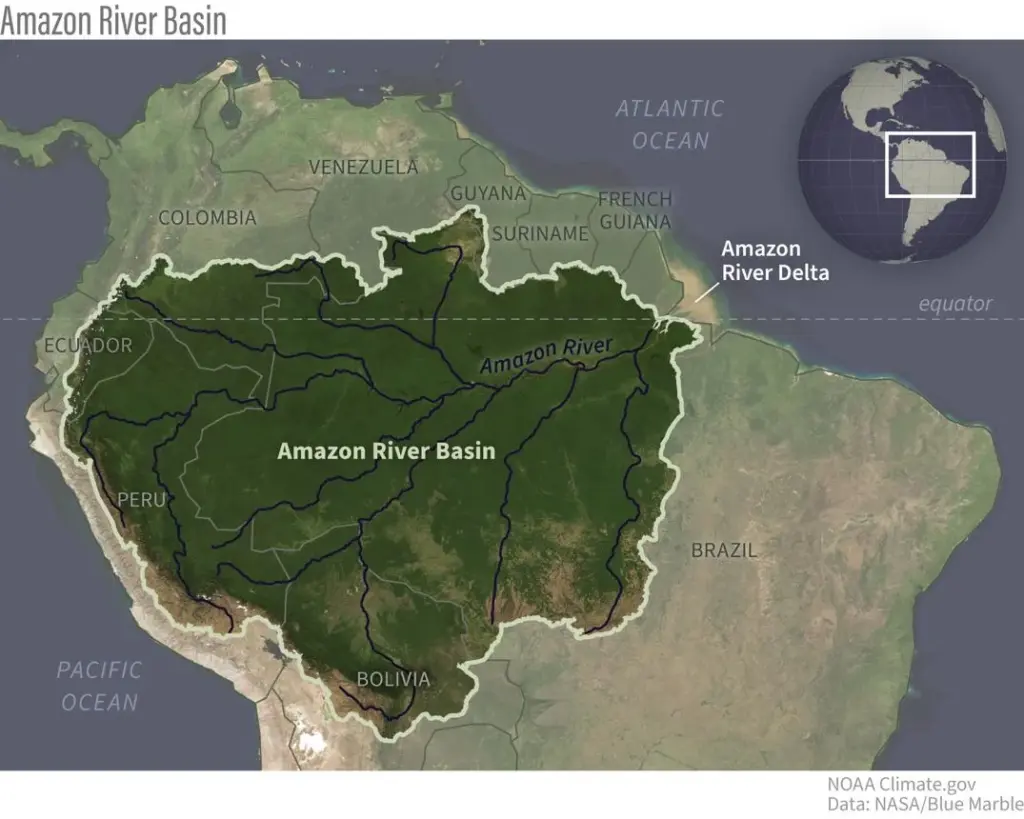
Changes across the Amazon affect not only local ecosystems but also global climate stability. Amazon river cruises provide a unique opportunity for travelers to witness these changes firsthand and better understand their global importance.
The Future of Amazon River Cruises
Challenges Ahead
If climate trends continue:
- Some cruise routes may become inaccessible
- Wildlife sightings may decrease
- Travel seasons may become less predictable
Opportunities for Change
Despite these challenges, the industry is adapting.
Sustainable Amazon river cruises are evolving through:
- Eco-friendly boats and reduced emissions
- Conservation-focused travel experiences
- Increased awareness and education for visitors
Travelers are also playing a role by choosing responsible tourism options that support preservation efforts.
Signs of Hope in the Amazon Rainforest
Reforestation Efforts
Organizations and communities across the Amazon are restoring damaged ecosystems by planting native trees and protecting biodiversity.
Youth and Environmental Action
A new generation is leading climate awareness through education, activism, and innovation.
Responsible Travel Movement
Tourism is shifting toward sustainability and environmental responsibility, helping ensure that Amazon river cruises remain viable for future generations.
Final Thoughts: A Journey Worth Protecting
Amazon river cruises remain one of the most extraordinary travel experiences in the world. However, they are increasingly shaped by the realities of climate change.
The rivers, forests, wildlife, and communities of the Amazon rainforest are all adapting to a rapidly changing environment. This transformation highlights both the fragility and resilience of this global treasure.
For travelers, the message is clear:
- Travel responsibly
- Support sustainable tourism
- Respect the ecosystem
The Amazon rainforest is more than a destination—it is a vital part of our planet’s future. Protecting it ensures that future generations can continue to experience the wonder of Amazon river cruises and the extraordinary life they reveal.