
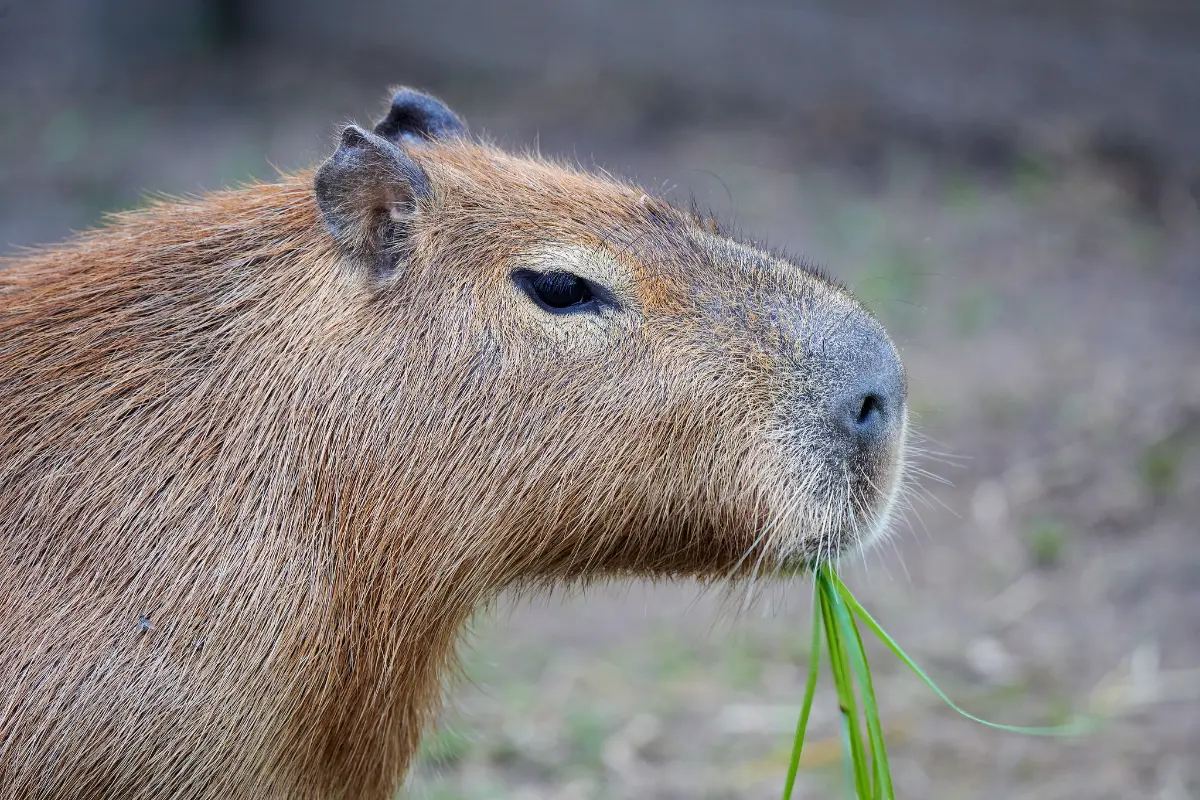
The capybara, the largest rodent in the world, is a gentle inhabitant of South America’s wetlands. With coarse brown fur, a blunt snout, small ears, and slightly webbed feet, it is perfectly adapted to a semi-aquatic lifestyle. An excellent swimmer, the capybara spends much of its time in rivers and lakes to stay cool and escape predators. Herbivorous and calm by nature, it grazes on grasses and aquatic plants and typically lives between 6 and 12 years in the wild.
Highly social and intelligent, capybaras thrive in groups of 10 to 20 individuals, relying on strong social bonds for safety and communication. They use a wide range of vocalizations—barks, whistles, and purrs—to alert one another and maintain group cohesion. Often seen lounging in the sun or soaking peacefully in water, capybaras have become favorites among wildlife enthusiasts for their relaxed demeanor and harmonious way of life.
Capybara Habitat and Distribution
Where Water Shapes Their World
As morning mist rises from rivers and wetlands across South America, capybaras begin their day along muddy banks and grassy shores. These calm, semi-aquatic mammals are widely distributed throughout the continent, with especially large populations in Brazil, Venezuela, Colombia, and Argentina. Rather than being tied to one landscape, capybaras follow the presence of reliable water sources, settling wherever slow-moving rivers and rich vegetation create ideal conditions.

Their preferred habitats all share one essential feature: constant access to water. Capybaras thrive in rainforests, swamps, marshes, riverbanks, and flooded savannas—places where grazing is easy and escape into water is always close. These environments allow them to regulate body temperature, avoid predators, and feed on the grasses and aquatic plants that sustain them.
Capybaras in the Rainforest and Amazon
Life Along Rivers and Floodplains
Yes, capybaras are true rainforest animals. In tropical rainforest regions, especially within the Amazon Basin, they flourish in warm, humid environments rich in land and aquatic vegetation. Capybaras are most commonly found along riverbanks, lakes, and seasonal floodplains, where rising waters transform the forest into an ideal semi-aquatic habitat.
The rainforest provides everything capybaras need to thrive—abundant water, diverse food sources, and natural protection. Dense vegetation offers shelter, while winding rivers and flooded terrain support their social lifestyle and help them evade predators. In these lush landscapes, capybaras live in harmony with the rhythms of the rainforest, guided by water, warmth, and group safety.
Capybara Role and Behavior in the Amazon Rainforest
Along the winding rivers of the Amazon, capybaras gather in relaxed social groups at the water’s edge, basking in the sun or slipping quietly into the shallows. The Amazon Rainforest supports one of the densest capybara populations, and their presence is deeply woven into the ecosystem’s balance. Living in groups, capybaras spend their days grazing, resting, and staying alert, using water as both refuge and lifeline.
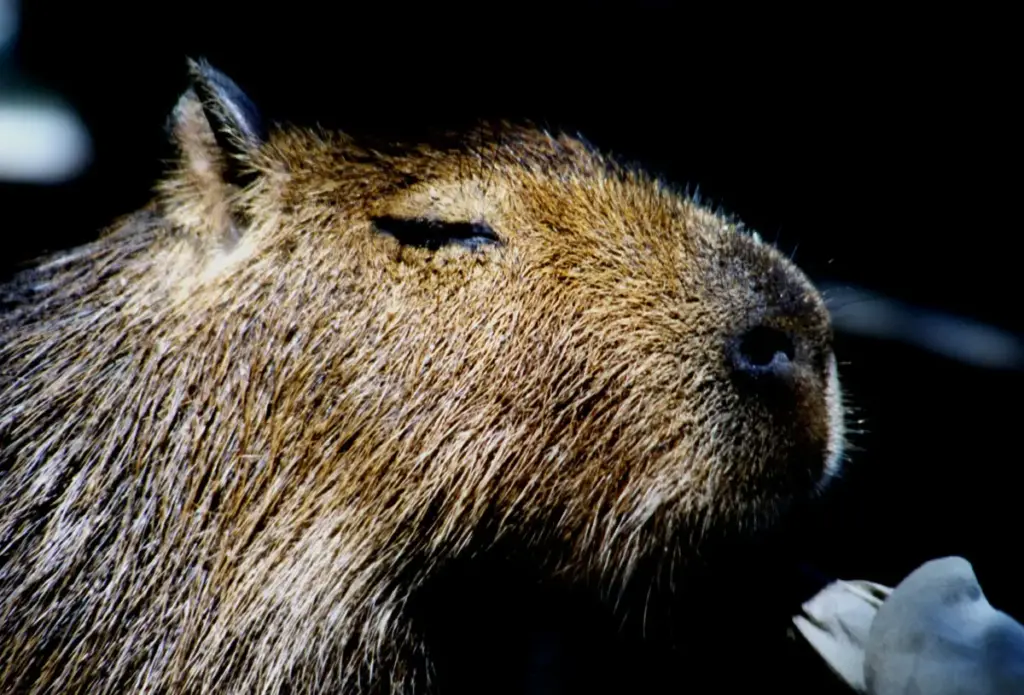
Their behavior plays a vital role in ecosystem health. By grazing on grasses and aquatic plants, capybaras help control vegetation growth along riverbanks and floodplains. As they move through forests and wetlands, they also act as seed dispersers, spreading nutrients through their fertile droppings and quietly supporting forest regeneration.
Capybaras are also a crucial link in the Amazon food chain. They serve as an important prey species for apex predators such as jaguars, anacondas, and caimans. Through their dual role as grazers and prey, capybaras help maintain the stability and resilience of one of the world’s most complex ecosystems.
Capybara Diet and Feeding Habits
What Sustains the World’s Largest Rodent
As the sun rises over riverbanks and flooded forest edges, capybaras begin their slow, deliberate search for food. These gentle giants are strict herbivores, spending many hours grazing to fuel their large bodies. Grasses and aquatic plants form the foundation of their diet, especially those growing close to water. When available, they also feed on fruits, reeds, tree bark, and even crops like corn and sugarcane near human settlements.
In the rainforest, their menu becomes even more diverse. Capybaras feed on water hyacinths, grasses and sedges, wild bananas, young shoots, and fallen fruits scattered across the forest floor. This varied diet supports their high energy demands and keeps them close to water-based escape routes.
Capybara Predators and Survival
Life on the Edge of the Amazon
Along the quiet banks of Amazonian rivers, capybaras may appear relaxed, but danger is always nearby. Despite their size, they are a vital food source for powerful predators. Jaguars stalk from the forest edge, caimans lurk beneath the surface, and anacondas glide unseen through flooded vegetation. Ocelots and large eagles may also target young or isolated individuals.
To survive, capybaras rely on group living, sharp senses, and aquatic agility. At the first alarm call, they move as one toward water—their greatest ally. With powerful legs and strong swimming ability, capybaras can dive and remain submerged for several minutes, slipping back into the river’s protective embrace.
Capybara Adaptations
Built for Water, Heat, and the Rainforest
A capybara entering the water reveals how perfectly adapted it is for wet, forested environments. Its slightly webbed feet, high-set eyes, ears, and nostrils, quick-drying fur, and heat tolerance make survival in the rainforest possible. Inside, a specialized digestive system allows it to process tough, fibrous plants efficiently.
Behavioral adaptations are just as important. A semi-aquatic lifestyle, nocturnal activity during hot seasons, and group communication help capybaras avoid predators and stay connected in dense foliage. Together, these physical and social adaptations allow capybaras to thrive—moving effortlessly between land and water as the rainforest pulses with life.















Hi, this is a comment.
To get started with moderating, editing, and deleting comments, please visit the Comments screen in the dashboard.
Commenter avatars come from Gravatar.