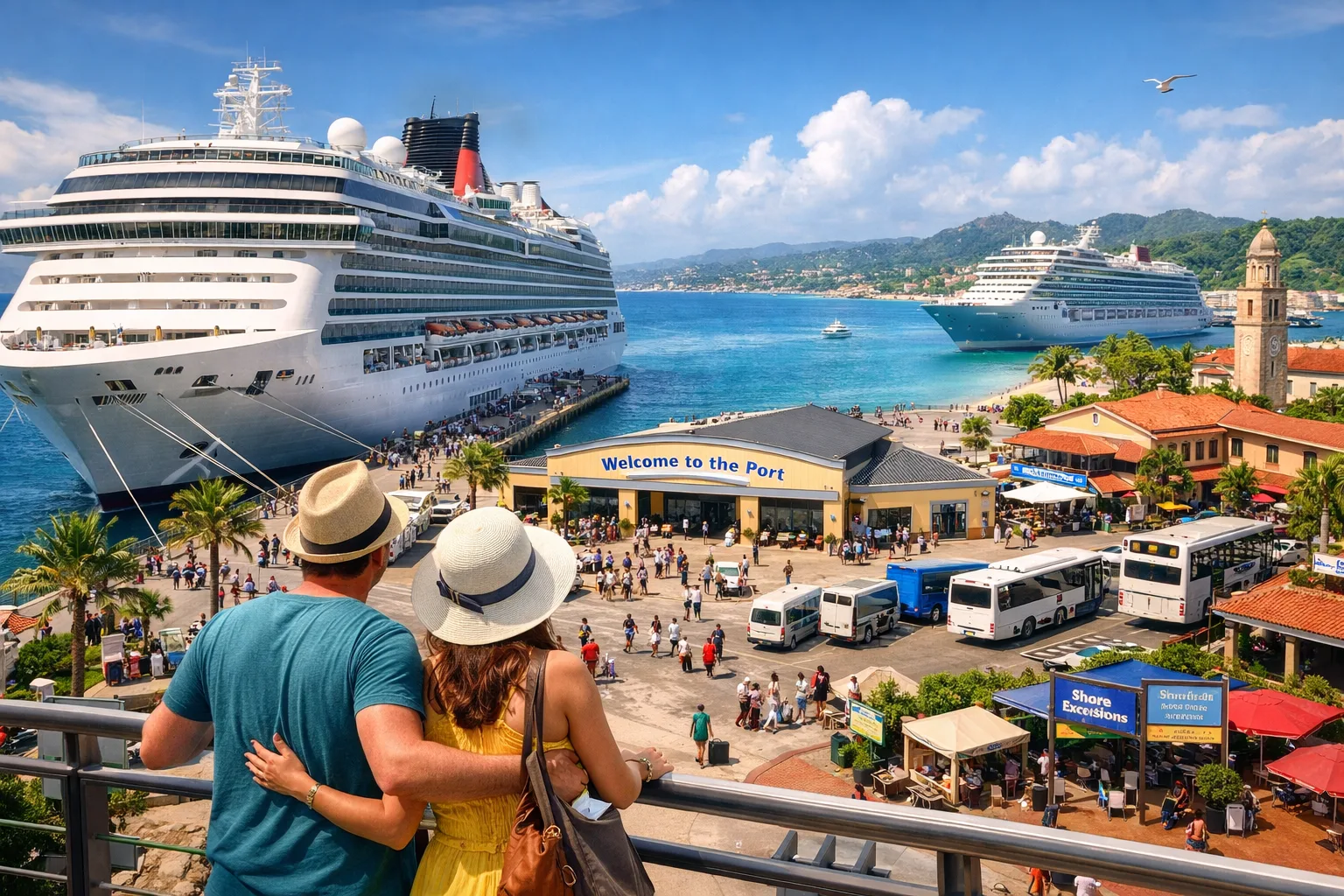
Cruise ports are more than simple docking points — they are gateways to adventure, culture, cuisine, and unforgettable landscapes. Whether you are departing from a busy embarkation terminal in Florida, stepping off a ship into a Mediterranean harbor town, or arriving in a remote Alaskan fjord, cruise ports shape your entire travel experience.
Understanding how cruise ports function, which ones are the most exciting, and how to plan logistics around them can make the difference between a smooth vacation and unnecessary stress. This comprehensive guide walks you through everything you need to know.
What Is a Cruise Port?
A cruise port is a designated harbor or terminal where cruise ships dock to allow passengers to embark, disembark, or explore a destination. Some ports serve as homeports — where your journey begins and ends — while others are ports of call visited during the itinerary.
Cruise Port vs Port of Call
A homeport is where passengers board at the start of their cruise and return at the end. A port of call is a scheduled stop during the cruise itinerary. For example, a Caribbean cruise might depart from Miami but stop at several island ports of call.
Homeports and Embarkation Ports Explained
Embarkation ports are typically large cities with major airports, hotel infrastructure, and developed cruise terminals. These ports handle check-in procedures, luggage screening, security checks, and immigration processes.
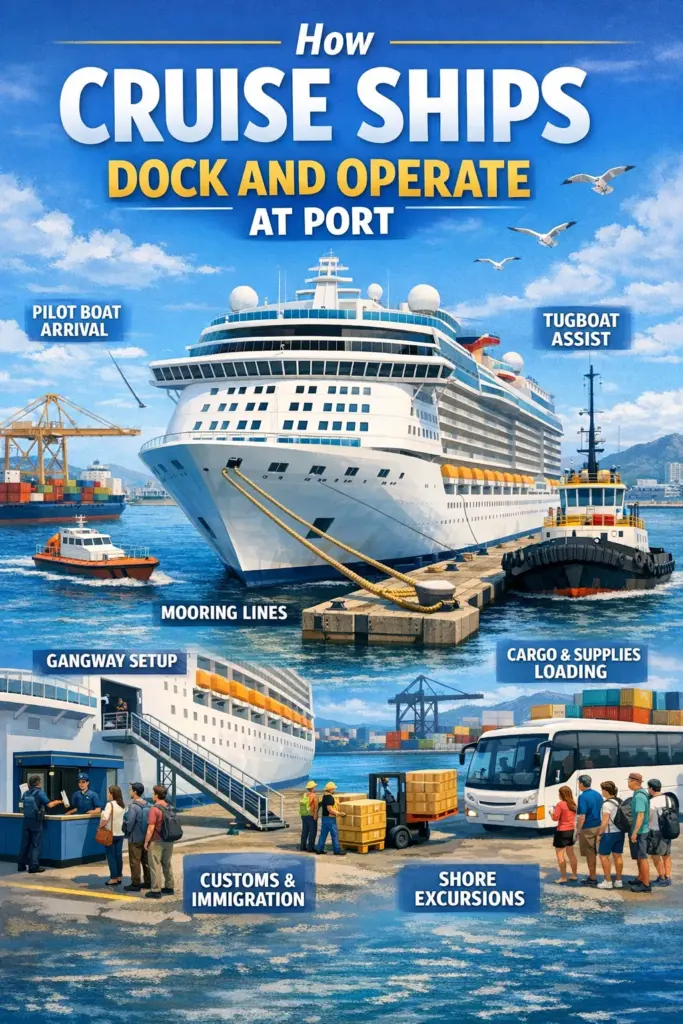
How Cruise Ships Dock and Operate at Port
Modern cruise terminals are designed for efficiency. Ships either dock at piers or anchor offshore and use tender boats. Once cleared, passengers disembark for shore excursions or independent exploration.
Major Cruise Ports Around the World
Cruise ports vary widely depending on region. Some are ultra-modern terminals, while others are charming historical harbors.
Caribbean Cruise Ports
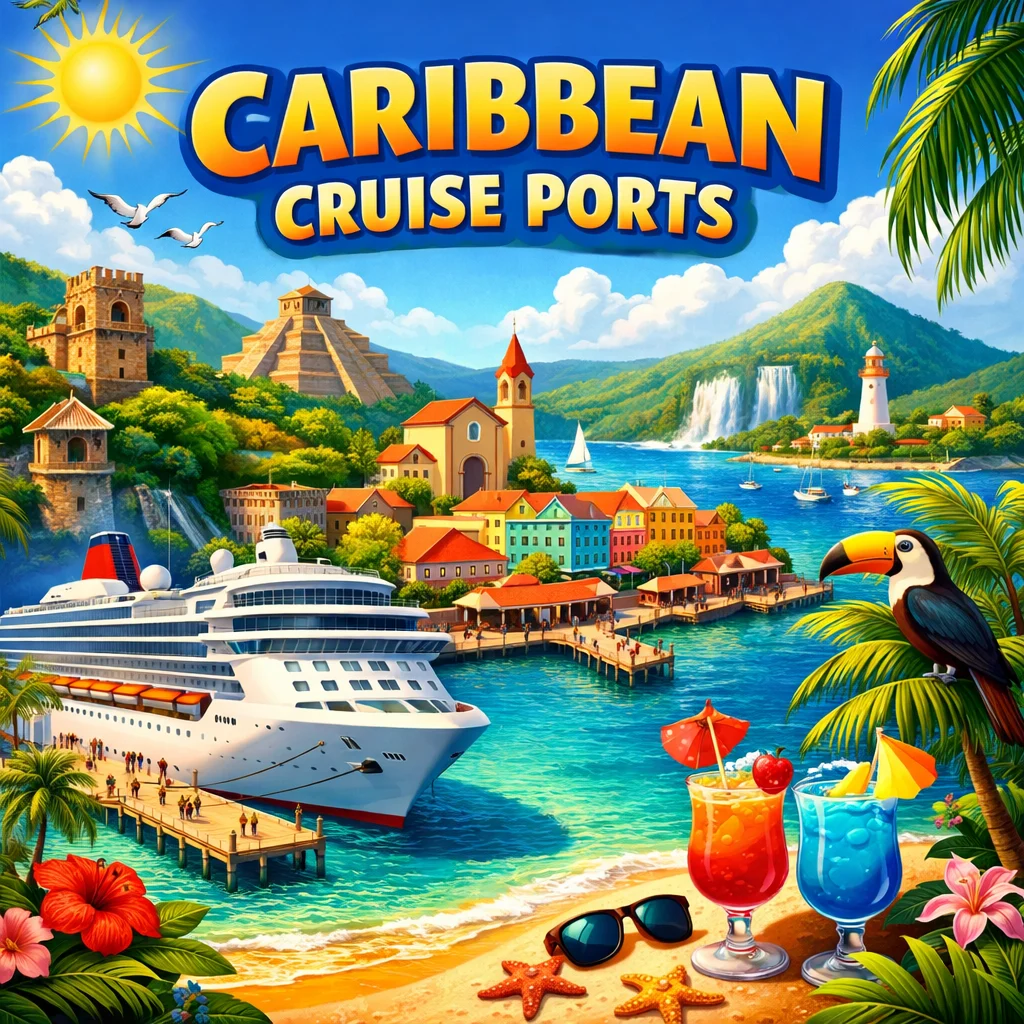
The Caribbean features some of the world’s busiest cruise ports, known for turquoise waters and beach excursions. Popular embarkation ports are located in Florida, while island ports of call focus on snorkeling, shopping, and cultural tours.
Mediterranean Cruise Ports
Mediterranean cruise ports offer centuries of history. Ships dock near ancient cities, allowing travelers to explore iconic architecture, local cuisine, and coastal villages.
Alaska Cruise Ports
Alaska’s cruise ports are surrounded by glaciers and wildlife. Smaller towns welcome ships during summer months, offering whale watching and scenic rail excursions.
South America Cruise Ports
South American cruise ports range from vibrant coastal cities to remote rainforest gateways. Many itineraries explore dramatic landscapes and rich cultural heritage.
Asia & Exotic Cruise Ports
Asian cruise ports provide access to ancient temples, bustling markets, and tropical islands. Exotic routes include lesser-visited ports perfect for adventurous travelers.
Choosing the Best Cruise Port for Your Vacation
Not all cruise ports deliver the same experience. Your ideal port depends on your interests and travel style.
Cruise Ports with the Best Excursions
Some ports specialize in adventure activities such as zip-lining, diving, or rainforest exploration. Others focus on historical walking tours or culinary experiences.
Cruise Ports with Beautiful Beaches
If relaxation is your priority, look for ports known for white sand beaches and calm waters within easy reach of the terminal.
Luxury and Small Ship Cruise Ports
Luxury cruise ports often feature private terminals, exclusive lounges, and seamless transfers. Small ship cruise ports may access destinations larger vessels cannot reach.
Cruise Port Logistics & Planning Tips
Smooth logistics ensure your cruise starts and ends stress-free.
Cruise Port Parking and Transportation
Many embarkation ports offer secure parking facilities, shuttle services, and ride-share zones. Booking airport transfers in advance is highly recommended.
Hotels Near Cruise Port Terminals
Staying overnight near your departure port reduces the risk of flight delays impacting embarkation. Many hotels offer “park and cruise” packages.
Boarding, Check-In & Disembarkation Process
Arrive at your assigned check-in time to avoid crowds. Have your travel documents ready. Disembarkation is typically organized by group numbers or deck levels.
Frequently Asked Questions About Cruise Ports
What Time Should You Arrive at a Cruise Port?
Arrive within your assigned boarding window, usually 2–4 hours before departure.
Can You Visit Cruise Ports Without a Cruise?
Some cruise terminals are accessible to visitors, but boarding areas require valid cruise documentation.
How Early Should You Book Port Transfers?
Airport transfers and port parking should be booked as soon as your cruise is confirmed to secure availability and best rates.
Final Thoughts
Cruise ports are far more than simple transit points. They are the starting line of your journey and the first impression of every destination you visit. By understanding embarkation procedures, regional port differences, and logistical planning, you can transform a routine departure into a seamless and exciting beginning.
Whether you are sailing to tropical islands, historic European cities, or remote natural wonders, choosing the right cruise port — and preparing for it properly — sets the tone for your entire voyage