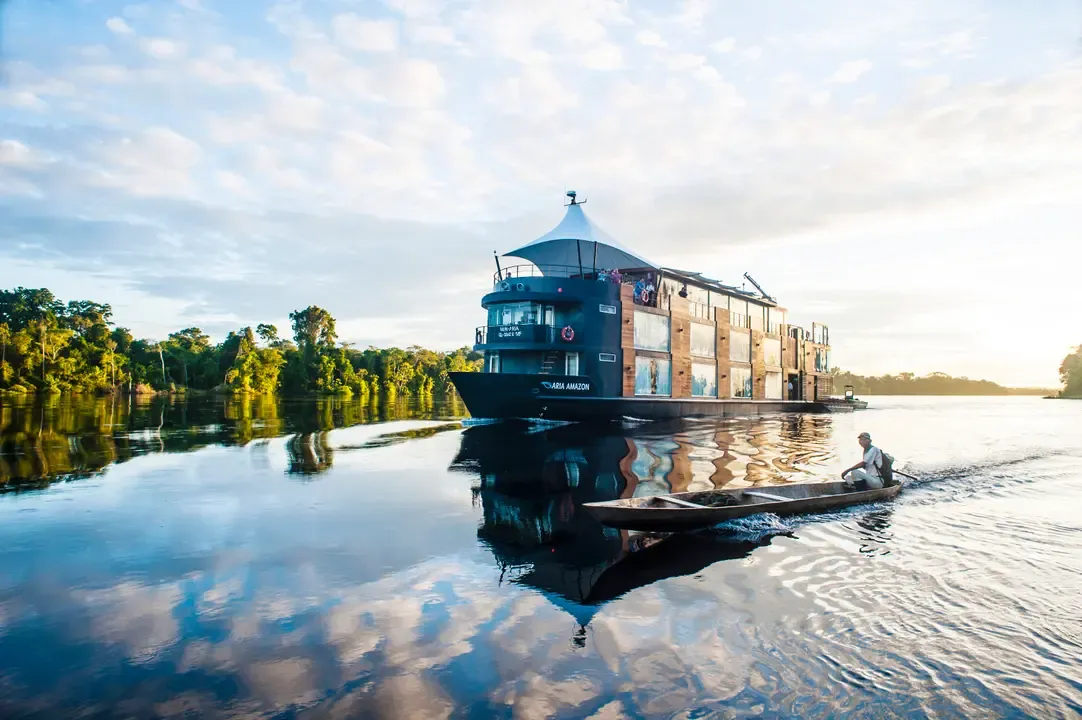
The Amazon River is one of the most extraordinary natural features on Earth. Known as the largest river by volume, it is a powerful force that shapes landscapes, sustains ecosystems, and supports millions of people. While it is often discussed alongside the Amazon Rainforest, the river itself is the central artery that gives life to the entire region.
This article focuses on the Amazon River—its origins, physical characteristics, ecological importance, biodiversity, and the challenges it faces today.
Origins and Course of the Amazon River
The Amazon River begins high in the Andes Mountains of Peru, where melting snow and rainfall feed its earliest streams. From these narrow mountain channels, it grows into a vast and complex river system that stretches over 6,400 kilometers (4,000 miles).
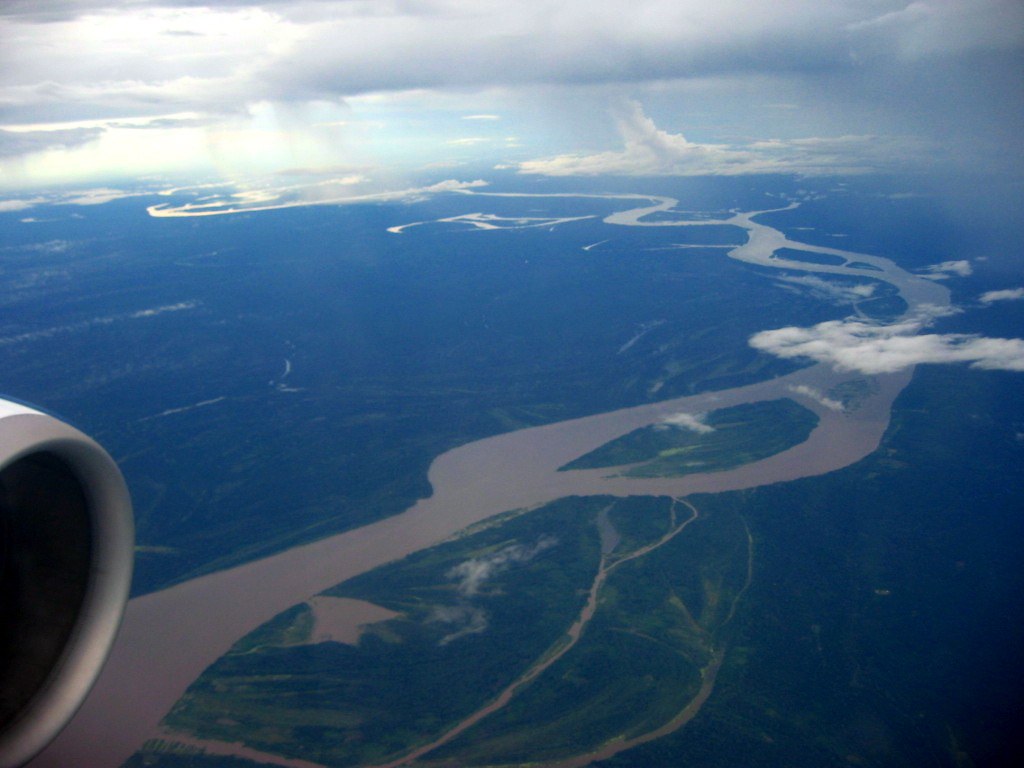
Flowing eastward, the river passes through Peru, Colombia, and Brazil before emptying into the Atlantic Ocean. Along the way, it is joined by hundreds of tributaries, including major rivers like the Negro, Madeira, and Tapajós, forming the largest drainage basin in the world.
The Most Powerful River on Earth
What makes the Amazon River truly remarkable is not just its length, but its immense volume. It carries more water than the next several largest rivers combined, accounting for about 20% of all freshwater that flows into the world’s oceans.
During the rainy season, the river expands dramatically, flooding surrounding lands and creating vast wetlands. In some areas, the river can stretch over 40 kilometers (25 miles) wide. These seasonal floods are not destructive in the same way as in other regions; instead, they are essential for maintaining the health of the ecosystem.
A Dynamic and Living System
The Amazon River is not a single channel but a constantly changing network of waterways, islands, and floodplains. Its flow shifts over time, carving new paths and reshaping the land.
The river creates unique environments such as flooded forests and oxbow lakes. These habitats support a wide range of species and allow nutrients to circulate throughout the ecosystem. Sediments carried from the Andes enrich the soil, making the surrounding lands fertile and productive.
Biodiversity in the Amazon River
The Amazon River is home to an astonishing diversity of life. Thousands of fish species live in its waters, many of which are found nowhere else on Earth. Some of the most notable include the piranha, the arapaima (one of the largest freshwater fish in the world), and the electric eel.
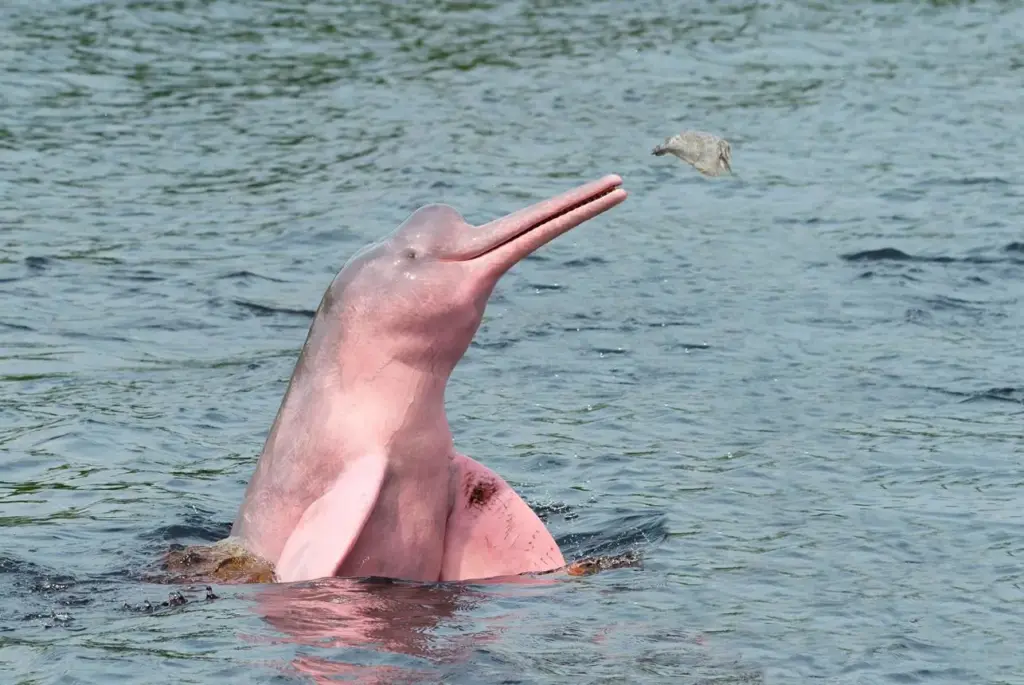
One of the river’s most iconic inhabitants is the pink river dolphin, a unique mammal adapted to life in murky waters and flooded forests. Other aquatic animals include giant river otters, turtles, and various species of freshwater stingrays.
This biodiversity is supported by the river’s complex habitats and seasonal cycles, which create opportunities for feeding, breeding, and migration.
The Amazon River and Human Life
For millions of people living in the Amazon basin, the river is essential for daily life. It serves as a primary source of food, transportation, and water.
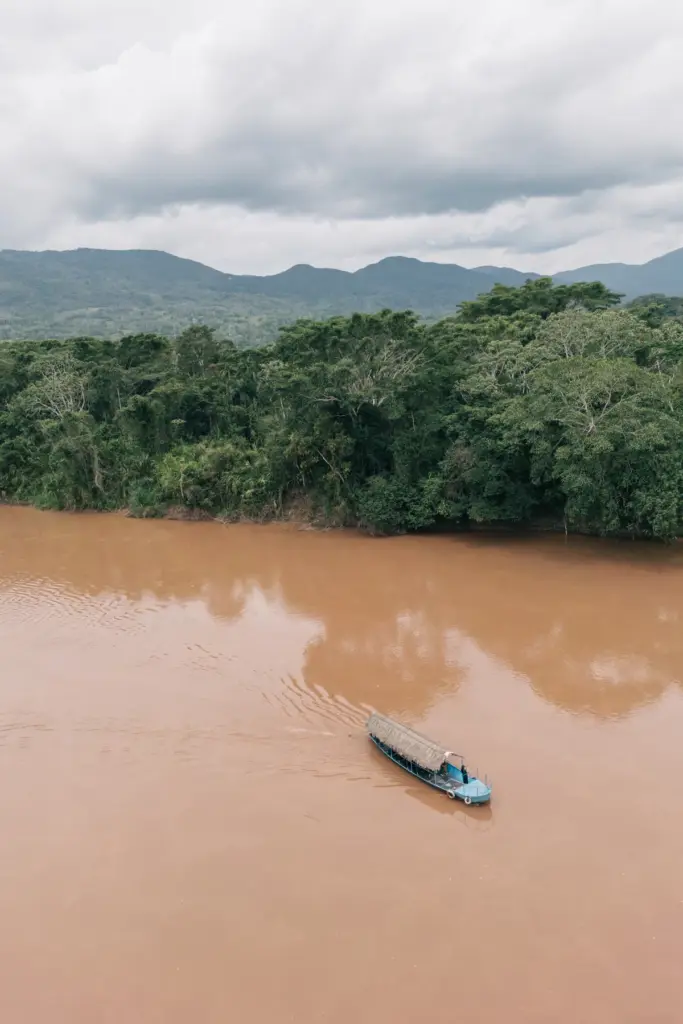
Many communities rely on fishing for their livelihoods, while others use the river as their main route for travel and trade. In regions where roads are scarce, the Amazon River functions as a natural highway, connecting remote villages to larger cities.
Indigenous communities have lived along the river for thousands of years, developing deep knowledge of its cycles and resources. Their way of life is closely tied to the rhythms of the river.
The River’s Role in the Global System
The Amazon River plays a crucial role beyond South America. By releasing vast amounts of freshwater into the Atlantic Ocean, it influences ocean currents and marine ecosystems.
The sediments and nutrients it carries help sustain coastal fisheries and contribute to the health of ocean environments. Additionally, the river is part of the global water cycle, helping regulate climate patterns through evaporation and rainfall.
Threats to the Amazon River
Despite its size and power, the Amazon River is increasingly under threat. Pollution from mining, especially mercury contamination, poses serious risks to aquatic life and human health.
Deforestation in the surrounding basin affects the river’s flow and water quality. Without trees to stabilize the soil, erosion increases, leading to sediment buildup and changes in the river’s structure.
Climate change is another major concern. Altered rainfall patterns and rising temperatures may disrupt the river’s natural cycles, affecting both ecosystems and human communities.
Hydroelectric dams, while providing energy, can also interfere with fish migration and alter the river’s natural flow.
Conservation and Sustainable Use
Efforts are being made to protect the Amazon River and ensure its sustainable use. Governments and organizations are working to reduce pollution, regulate fishing, and limit deforestation.
Sustainable practices, such as responsible fishing and eco-friendly transportation, can help preserve the river’s health. Supporting Indigenous communities is also essential, as their traditional knowledge plays a key role in conservation.
The Amazon River is far more than a geographical feature—it is a living system that sustains life on a massive scale. Its waters connect ecosystems, support biodiversity, and provide for millions of people.
Protecting the Amazon River is vital not only for South America but for the entire planet. As environmental pressures grow, preserving this big waterway becomes an urgent global responsibility.