The Amazon Rainforest stretches across more than 5.5 million square kilometers and spans nine countries, making it the largest tropical rainforest on the planet. But what truly sets it apart is its age. Scientists estimate that parts of the Amazon ecosystem date back between 55 and over 100 million years, making it one of the most ancient and enduring environments on Earth.
For travelers, this means every moment on an Amazon cruise offers a direct encounter with deep natural history—where ancient geological forces, evolving biodiversity, and human cultures converge into a living narrative.
The Geological Origins of the Amazon Basin
From Gondwana to Green Paradise
Long before Amazon river cruises became a bucket-list adventure, the land itself was part of the ancient supercontinent Gondwana. Around 100 million years ago, South America separated from Africa, creating the foundation for what would eventually become the Amazon Basin.
During the Eocene epoch (about 55 million years ago), the region experienced warm, humid conditions ideal for dense tropical vegetation. These early forests were the ancestors of the modern Amazon, already rich in plant life and ecological complexity.
The Andes: A Game-Changing Force
One of the most transformative events in Amazonian history occurred about 20 million years ago: the rise of the Andes Mountains. As these mountains gradually formed, they dramatically altered the region’s climate and hydrology.
Originally, the Amazon River flowed westward toward the Pacific Ocean. However, the Andes acted as a barrier, forcing the river to reverse direction and flow eastward into the Atlantic Ocean. This reversal created the vast river system that modern Amazon river cruises now explore.
The result was a sprawling network of rivers, floodplains, and forests that became the backbone of the Amazon ecosystem.
Ancient Biodiversity: A Living Museum
Millions of Years of Evolution
The immense age of the Amazon has allowed life to evolve in extraordinary ways. Today, the rainforest is home to:
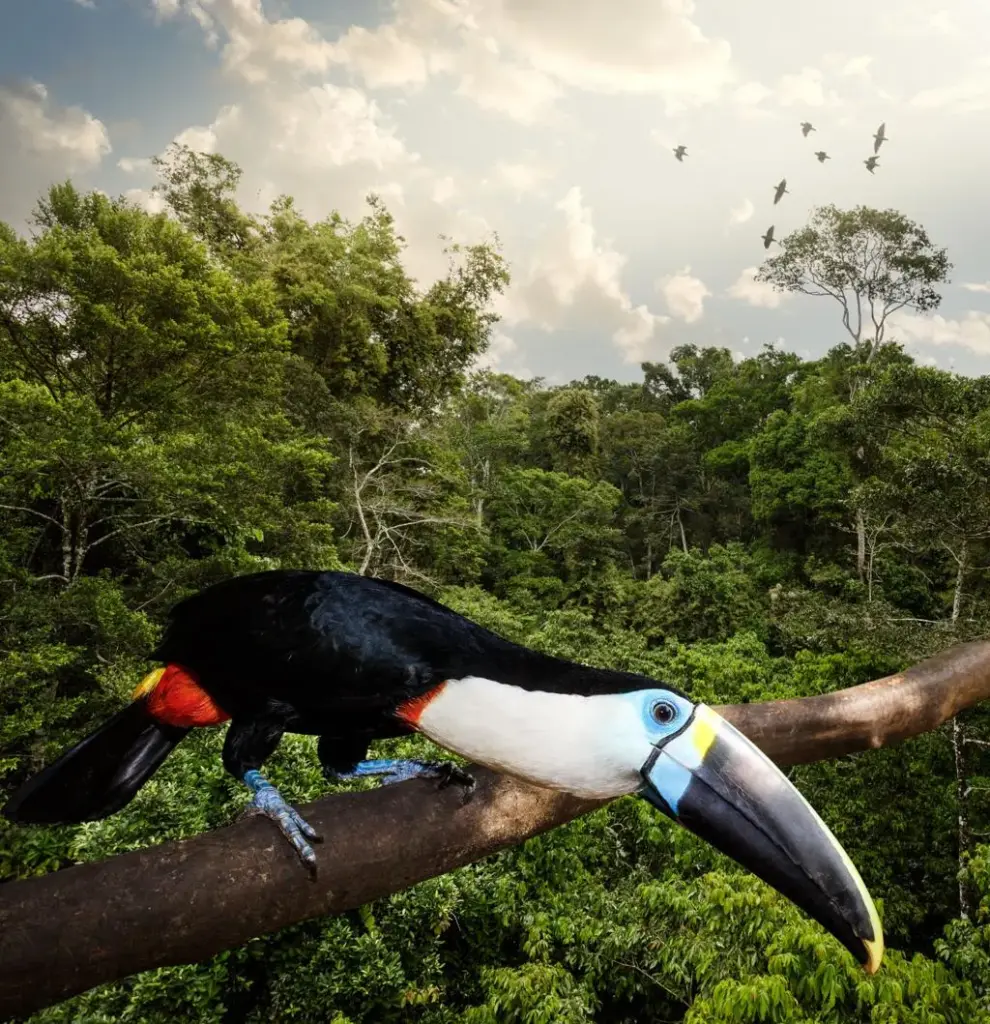
- Approximately 3 million species of plants and animals
- Around 390 billion trees
- Over 16,000 tree species
- Possibly 2.5 million insect species
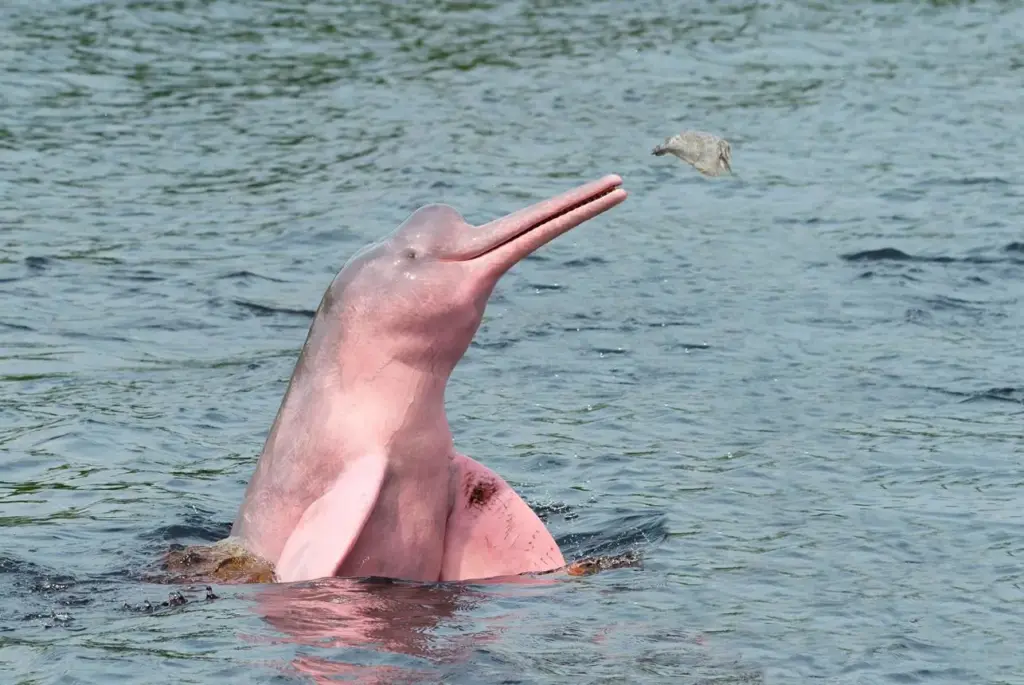
This biodiversity is one of the main attractions for travelers on Amazon river cruises. From spotting pink river dolphins to hearing howler monkeys echo through the canopy, every moment reveals a fragment of evolutionary history.
Specialized Ecosystems
Over millions of years, species adapted to highly specific niches:
- Canopy dwellers that rarely descend to the forest floor
- Floodplain species adapted to seasonal inundation
- Nocturnal creatures that emerge after sunset
This intricate web of life is why Amazon wildlife cruises are considered among the most rewarding eco-tourism experiences in the world.
The Amazon River: Lifeline of the Rainforest
The World’s Most Powerful River System
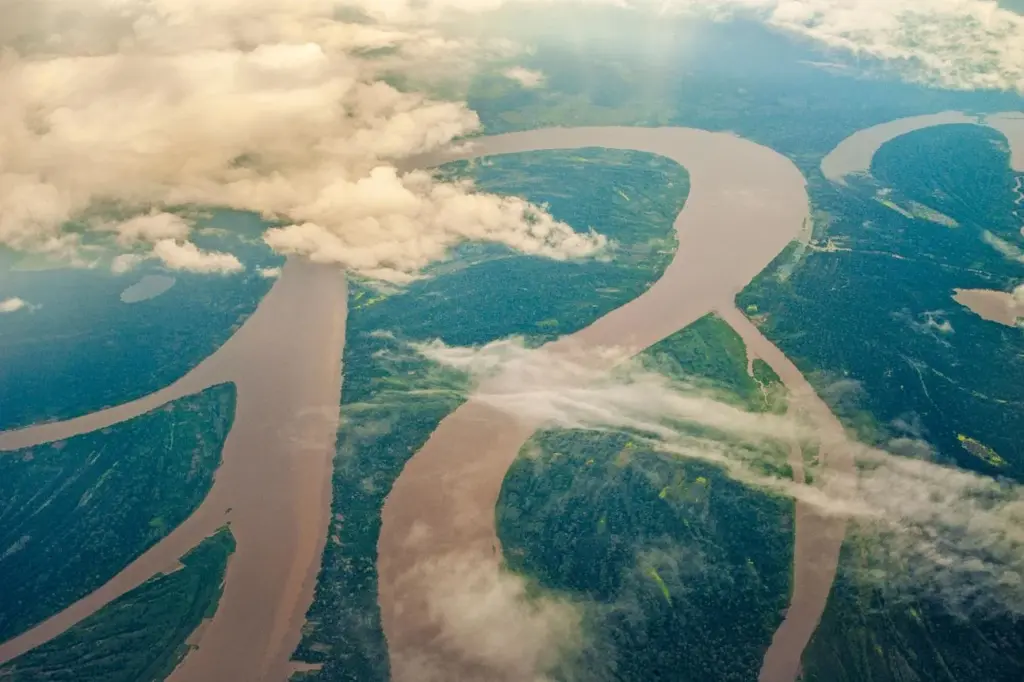
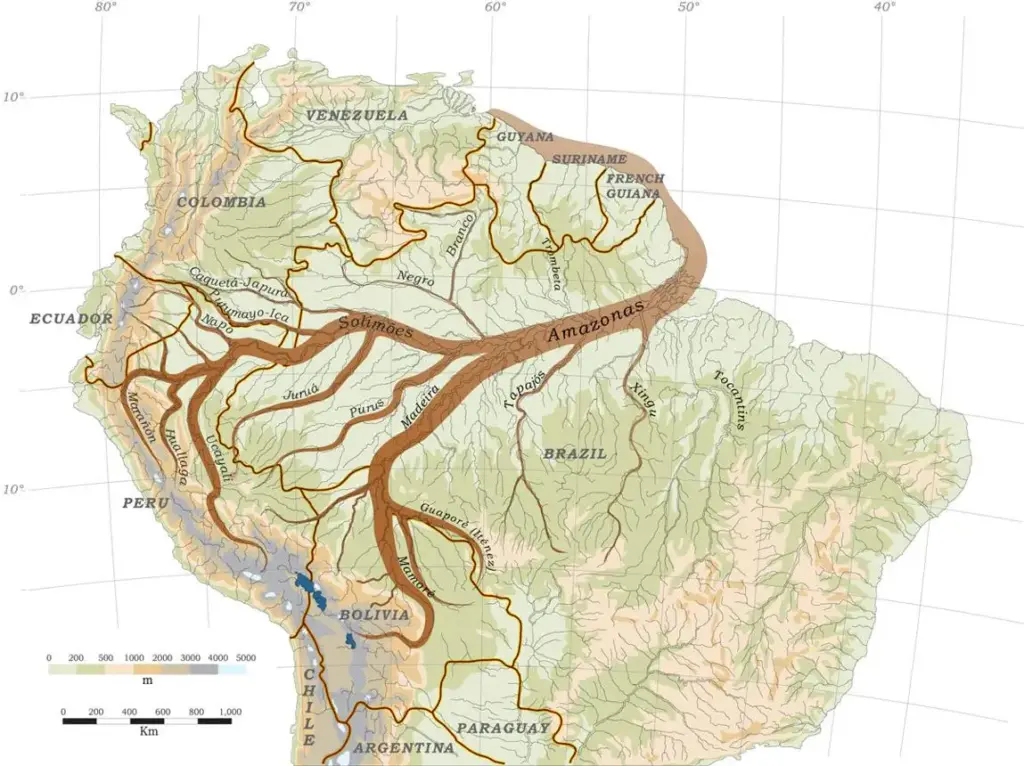
At the heart of every Amazon river cruise is the river itself—the largest river on Earth by volume. It releases more water into the Atlantic Ocean than the next seven largest rivers combined.
The river system includes thousands of tributaries, forming a vast aquatic network that supports transportation, biodiversity, and nutrient distribution across the region.
For travelers, this means access to remote and otherwise inaccessible areas of the rainforest.
A Dynamic and Ever-Changing Landscape
The Amazon is constantly evolving. Seasonal flooding can raise water levels by up to 15 meters, transforming forests into submerged ecosystems known as várzea.
Amazon river cruises often adapt their routes depending on the season:
- High water season (December to May): ideal for navigating flooded forests by canoe
- Low water season (June to November): better for hiking and spotting terrestrial wildlife
Each season offers a unique perspective on the rainforest.
Countries of the Amazon Basin: A Shared Natural Treasure
The Amazon Rainforest spans nine countries:
- Brazil (approximately 60%)
- Peru
- Colombia
- Venezuela
- Ecuador
- Bolivia
- Guyana
- Suriname
- French Guiana
Many Amazon river cruises operate in Peru and Brazil, especially near Iquitos and Manaus, where access to biodiversity-rich regions is easier.
This shared geography underscores the importance of international cooperation in protecting the Amazon, as ecosystems and wildlife move freely across borders.
Indigenous Cultures and Human History
Ancient Human Presence
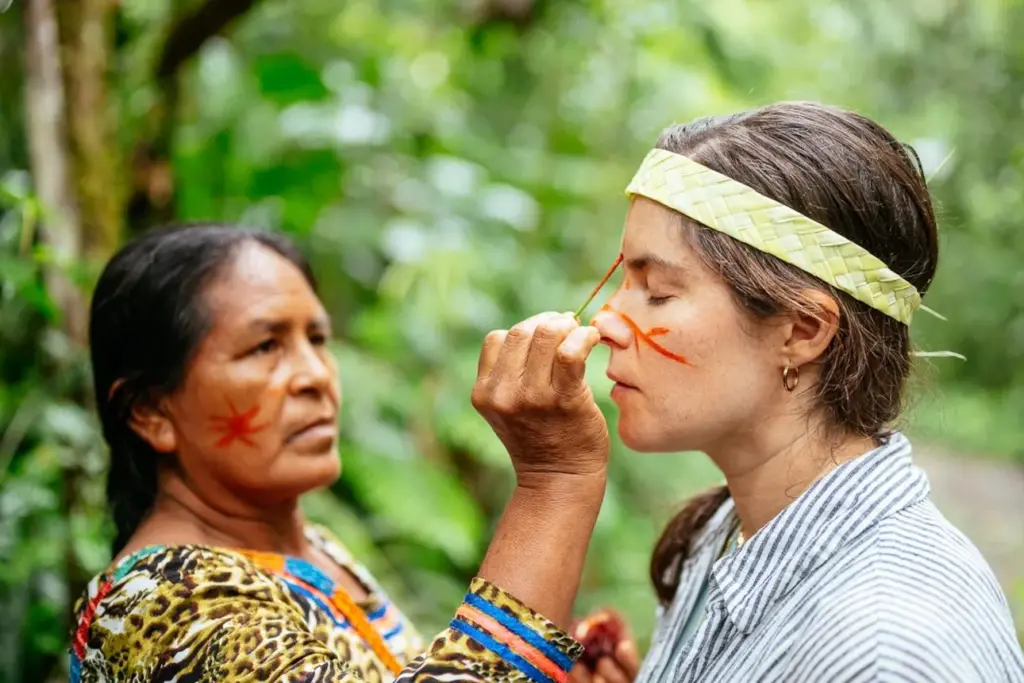
Despite its image as untouched wilderness, the Amazon has long been home to humans. More than 30 million people live in the basin today, including over 350 Indigenous groups with deep ancestral roots.
Many Amazon river cruises include opportunities to visit local communities, offering respectful cultural exchanges and insights into traditional lifestyles.
Terra Preta: Evidence of Ancient Innovation
Archaeological discoveries of terra preta—rich, human-made soil—suggest that ancient Amazonian societies practiced sophisticated agriculture and land management.
These findings challenge older assumptions that the rainforest was sparsely populated and instead highlight a long history of sustainable human interaction with the environment.
Why the Amazon Matters Today
Climate Regulation and Global Impact
The Amazon plays a crucial role in maintaining global environmental balance. It absorbs vast amounts of carbon dioxide and influences climate patterns far beyond South America.
Through a process called transpiration, billions of trees release water vapor into the atmosphere, helping generate rainfall and sustain the forest itself. This self-reinforcing system is one of the reasons the Amazon has endured for millions of years.
The Role of Sustainable Tourism
Amazon river cruises are increasingly linked to conservation efforts. Responsible tourism supports:
- Environmental awareness
- Local economies
- Conservation initiatives
By choosing eco-friendly cruise operators, travelers can help protect the rainforest while experiencing it firsthand.
Unique Natural Phenomena of the Amazon
The Amazon is home to some of the most unusual and fascinating natural features on Earth:
- The Boiling River in Peru, with near-boiling temperatures
- Pink river dolphins, unique to the Amazon Basin
- Bioluminescent fungi that glow in darkness
- Plants with untapped medicinal potential
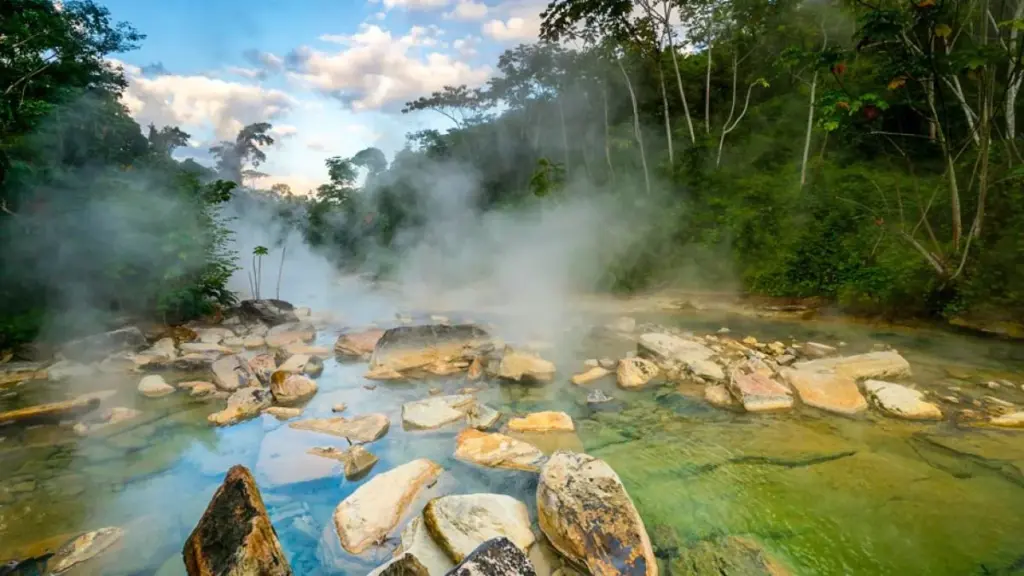
These extraordinary elements make Amazon cruises not just scenic, but deeply educational and inspiring.
Types of Amazon River Cruises
Choosing the Right Experience
There are several types of Amazon river cruises to suit different travel styles:
Luxury Amazon River Cruises
- High-end accommodations and gourmet dining
- Guided excursions with naturalists
- Small, intimate groups
Expedition Cruises
- Focus on wildlife, science, and exploration
- Daily guided hikes and excursions
- Educational programs onboard
Budget Amazon Cruises
- Basic accommodations
- Authentic and local experiences
- Ideal for adventurous travelers
Each option provides a different way to explore the ancient rainforest.
Best Time for Amazon River Cruises
Choosing when to travel can greatly affect your experience:
- High Water Season (December to May)
- Easier navigation through flooded forests
- Excellent for canoe excursions
- Low Water Season (June to November)
- Better for hiking trails
- Increased chances of spotting land animals
Both seasons offer incredible opportunities, depending on your interests.
The Future of the Amazon Rainforest
Despite its resilience, the Amazon faces serious challenges:
- Deforestation
- Climate change
- Illegal mining and logging
Scientists warn that continued environmental pressure could push parts of the rainforest toward irreversible change. However, conservation efforts and sustainable tourism provide hope.
Amazon river cruises, when responsibly managed, can contribute to protecting the ecosystem by promoting awareness and supporting local communities.
Conclusion: A Journey Through Time and Nature
Amazon river cruises offer far more than a typical vacation—they are journeys through one of the oldest ecosystems on Earth. As you travel along the river, you witness millions of years of evolution, geological transformation, and cultural history.
Understanding the age of the Amazon Rainforest transforms the experience. It deepens your appreciation of every tree, river, and species you encounter.
Whether you are seeking adventure, wildlife encounters, or a deeper connection with nature, an Amazon river cruise stands out as one of the most meaningful travel experiences available—a true voyage through time.