The Amazon weather system is one of the most powerful and complex climate engines on Earth. Spanning more than 5.5 million square kilometers across South America, the Amazon Rainforest generates its own weather patterns, regulates global climate, and sustains an unmatched diversity of life. Understanding Amazon rainforest weather, from daily humidity to seasonal rainfall cycles, is essential for travelers, researchers, and anyone curious about this extraordinary ecosystem.
🌿 Understanding Amazon Weather: The Heartbeat of the Rainforest
The Amazon is not just influenced by weather—it creates its own climate. Every day, billions of trees release water vapor into the atmosphere through transpiration. This moisture rises, forms clouds, and returns as rain, creating a self-sustaining cycle often referred to as a “flying river.”
This continuous loop is why Amazon climate conditions remain consistently humid and why rainfall is so frequent. The forest essentially breathes moisture, making the air thick, warm, and alive.
Key Characteristics of Amazon Weather
- High humidity year-round (often above 80%)
- Minimal temperature variation
- Frequent rainfall, even in drier months
- Rapid daily weather changes
This dynamic system makes Amazon basin weather feel unpredictable, yet it follows a steady natural rhythm.
🌦️ Amazon Weather Today: What a Typical Day Looks Like
A typical day in the Amazon follows a familiar pattern shaped by heat and humidity.
Morning: Warm and Moist
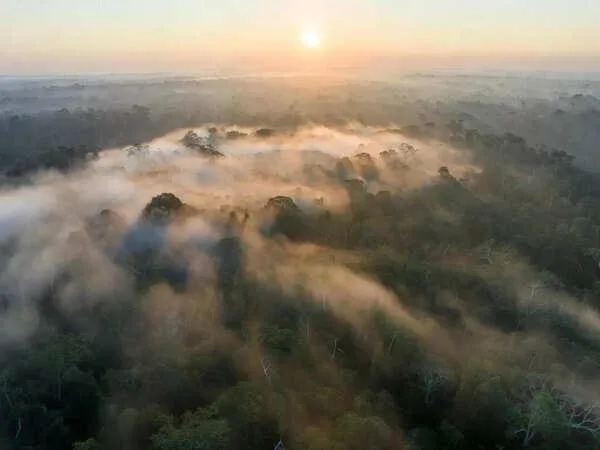
The day begins early with warm temperatures and heavy moisture in the air. Mist often rises from the forest canopy, creating a dreamlike atmosphere.
Midday: Heat Builds
By midday, temperatures climb to around 25°C to 32°C (77°F to 90°F). The sun fuels evaporation, increasing humidity and preparing the stage for rain.
Afternoon: Rainstorms Develop
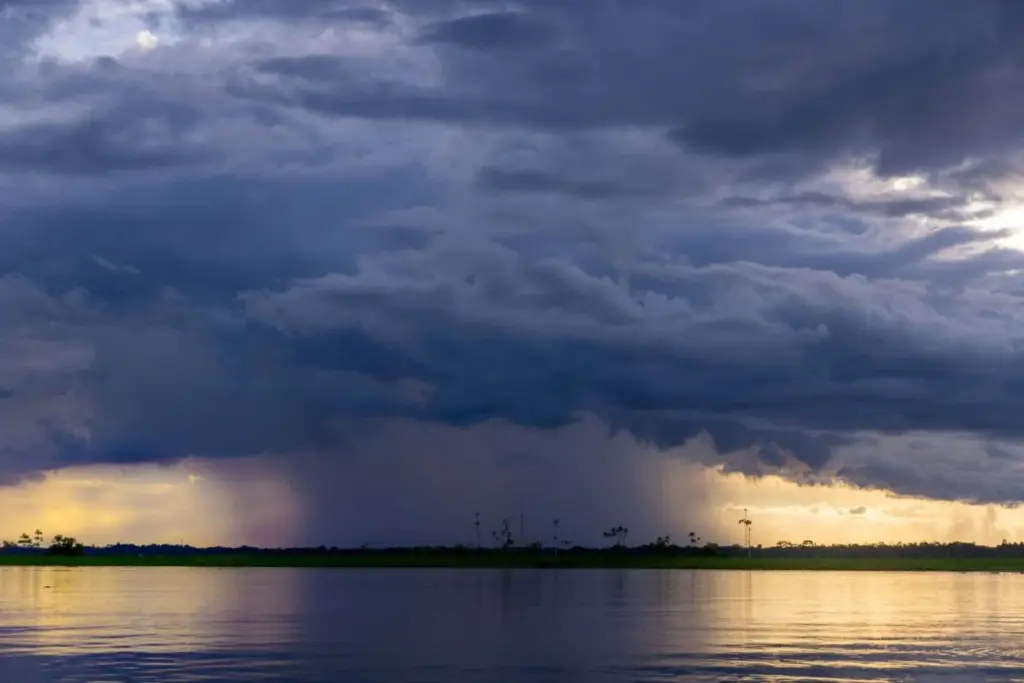
Clouds gather quickly, often resulting in short but intense rain showers or thunderstorms. These storms may last minutes or hours.
Night: Slight Cooling
Evenings bring slight relief, but humidity remains high, and temperatures rarely drop below 20°C (68°F).
This daily cycle defines Amazon jungle weather, making it both predictable in pattern and surprising in intensity.
📅 Amazon Weather Forecast: What to Expect Year-Round
Forecasting Amazon weather conditions is challenging due to localized microclimates. However, general trends remain consistent.
Average Yearly Conditions
- Temperature: 20°C to 33°C (68°F to 92°F)
- Humidity: 75% to 95%
- Rainfall: Frequent throughout the year
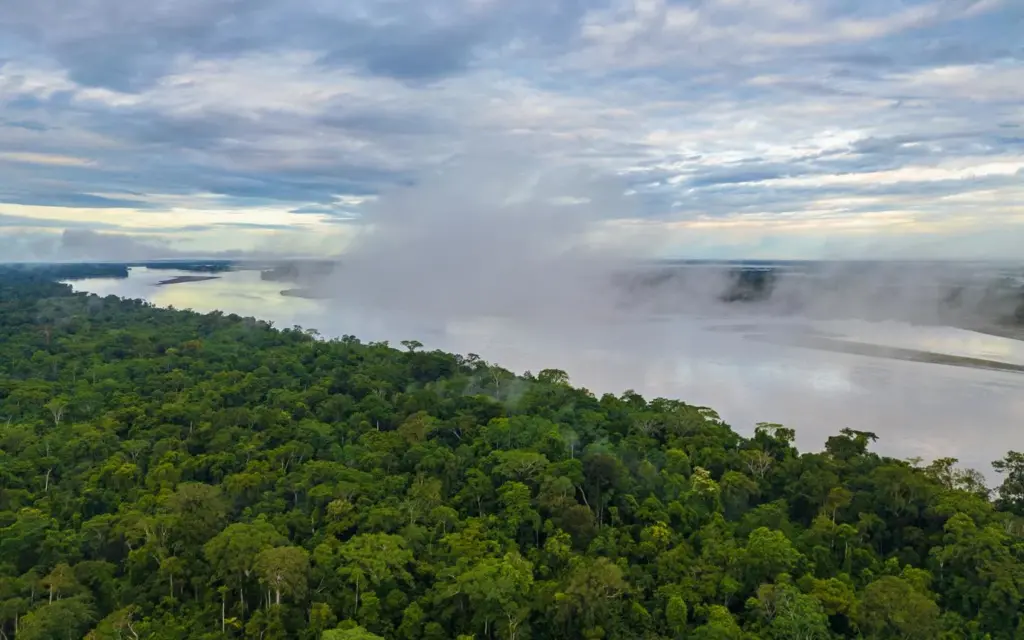
Even when forecasts predict sunshine, rain is always a possibility. The Amazon’s atmosphere can shift rapidly, turning clear skies into storms within hours.
Why Forecasting Is Difficult
- Dense vegetation affects airflow
- Rivers and terrain create microclimates
- Evaporation drives sudden cloud formation
Because of this, Amazon weather forecasts should always be taken as general guidance rather than precise predictions.
🌡️ Amazon Rainforest Climate: A Tropical Powerhouse
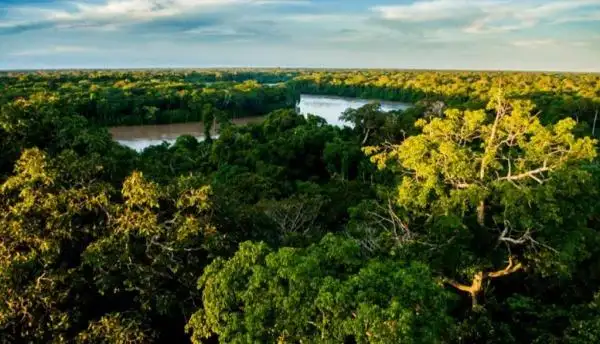
The Amazon rainforest climate is classified as tropical, meaning it is hot, humid, and receives significant rainfall year-round.
Climate Features
- Stable temperatures throughout the year
- No true winter or summer
- Continuous plant growth cycles
- High evapotranspiration rates
This stability allows the Amazon to support one of the most productive ecosystems on Earth.
The Role of Humidity
Humidity is a defining feature of Amazon weather patterns. It:
- Sustains plant growth
- Supports insect and animal life
- Drives cloud formation
Without constant humidity, the rainforest ecosystem would collapse.
🌧️ Rainfall in the Amazon: The Lifeblood of the Forest
Rain is the defining element of Amazon weather. The region receives between 2,000 and 4,000 mm (79–157 inches) annually.
Wet Season (December to May)
- Heavy, prolonged rainfall
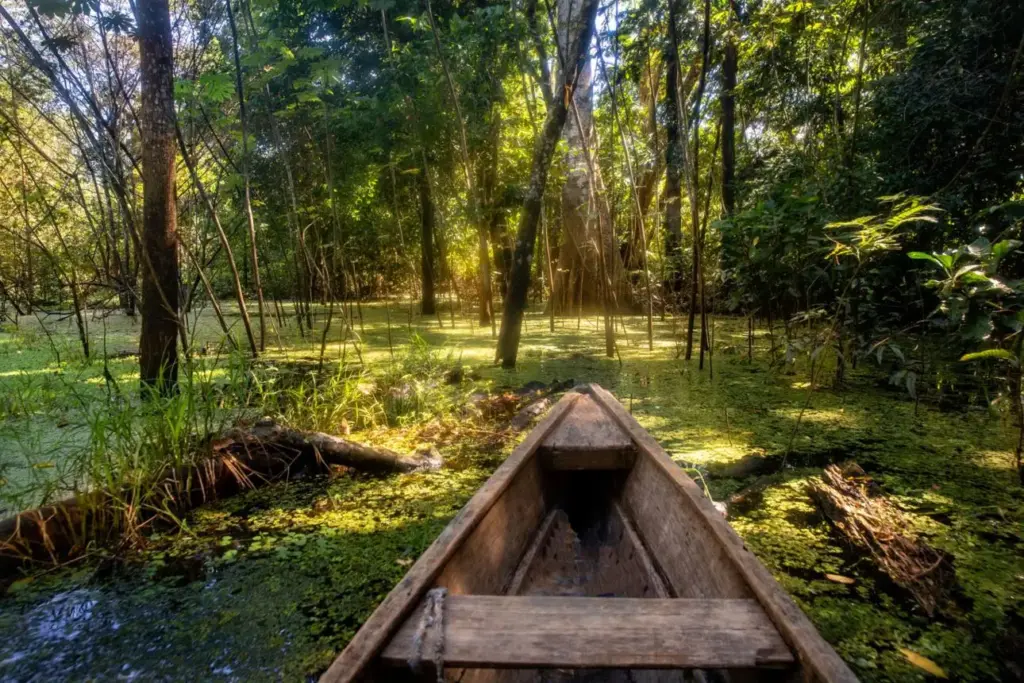
- Rivers expand and flood forests
- Wildlife adapts to aquatic environments
During this period, much of the forest becomes navigable by boat, creating a unique ecosystem where fish swim among trees.
Dry Season (June to November)
- Reduced rainfall, but still humid
- Rivers recede
- Trails become accessible
Despite the name, the “dry” season in the Amazon still includes occasional rain. The forest never truly dries out.
🌍 Regional Variations in Amazon Weather
The Amazon spans multiple countries, so Amazon weather patterns vary by region.
Western Amazon (Peru, Ecuador, Colombia)
- More defined wet and dry seasons
- Higher rainfall overall
- Dense, lush vegetation
Central Amazon (Brazil)
- Consistent humidity
- Frequent storms
- Slight seasonal variation
Southern & Eastern Amazon
- Longer dry seasons
- Greater vulnerability to drought
- More exposure to deforestation impacts
These regional differences influence biodiversity, river levels, and travel conditions.
⚠️ Extreme Amazon Weather Events
While the Amazon is known for stability, extreme weather events are becoming more common.
Droughts
- Rivers shrink, affecting transport and ecosystems
- Crops fail in local communities
- Wildlife struggles to find water
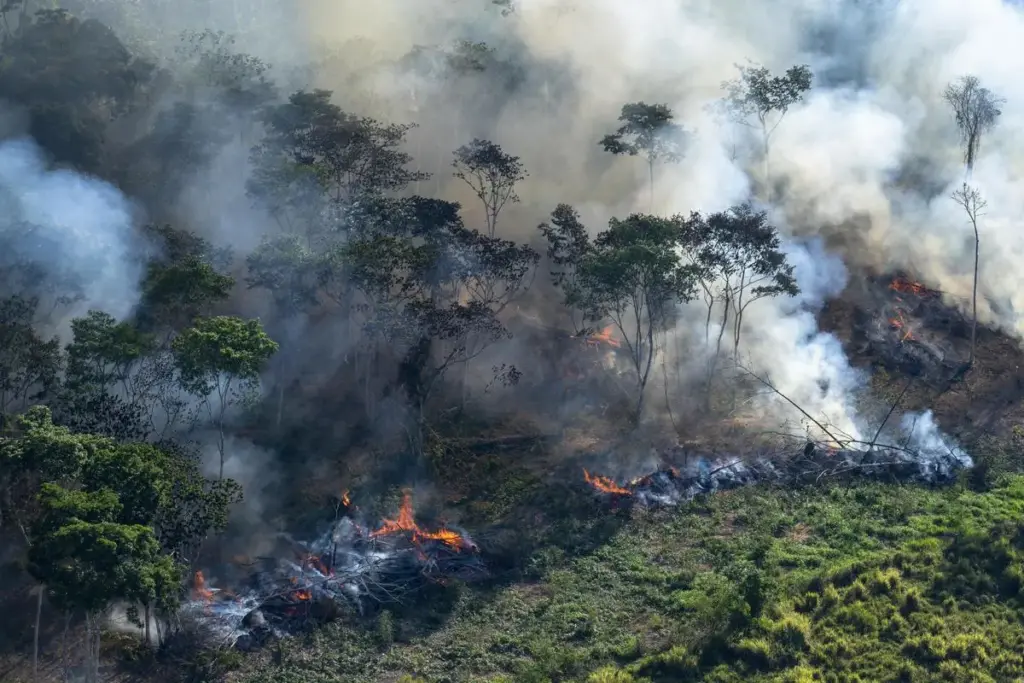
Wildfires
- Often caused by human activity
- Spread rapidly during dry conditions
- Release large amounts of carbon
Friajes (Cold Snaps)
Occasional cold fronts from Antarctica can cause sudden temperature drops. These rare events:
- Lower temperatures dramatically
- Affect wildlife behavior
- Last a few days
These extremes highlight the growing instability in Amazon climate systems.
🌱 The Ecological Role of Amazon Weather
Amazon weather is not just a backdrop—it is the foundation of life in the rainforest.
How Weather Shapes the Ecosystem
- Rainfall determines plant growth cycles
- Temperature influences animal behavior
- Flooding creates unique aquatic habitats
Many species rely on precise weather patterns. For example:
- Fish breed during floods
- Birds migrate based on rainfall
- Trees flower in response to seasonal changes
Disruptions in Amazon weather patterns can ripple through the entire ecosystem.
🌐 Climate Change and Amazon Weather
Climate change is altering Amazon rainforest weather in significant ways.
Key Impacts
- Irregular rainfall patterns
- Longer dry seasons
- Increased frequency of droughts
Deforestation Effects
When trees are removed:
- Less moisture is released into the air
- Rainfall decreases
- Local temperatures rise
Scientists warn that continued changes could push parts of the Amazon toward a savanna-like environment, dramatically altering global weather systems.
✈️ Best Time to Visit Based on Amazon Weather
Choosing when to visit depends on what you want to experience.
Wet Season (December–May)
- Best for river travel and wildlife viewing
- Lush, vibrant landscapes
- Expect frequent rain
Dry Season (June–November)
- Easier hiking and trekking
- Lower river levels
- Fewer mosquitoes in some areas
Both seasons offer unique perspectives on Amazon jungle weather, making the rainforest a year-round destination.
🧭 Tips for Dealing with Amazon Weather
If you’re planning a trip, understanding Amazon climate conditions is crucial.
What to Pack
- Lightweight, breathable clothing
- Waterproof gear
- Insect repellent
Practical Advice
- Expect rain at any time
- Stay hydrated in high humidity
- Plan flexible activities
Adapting to Amazon weather conditions ensures a safer and more enjoyable experience.
📌 Conclusion: Why Amazon Weather Matters
The Amazon weather system is one of the most important natural processes on Earth. It regulates rainfall, stores carbon, and sustains millions of species. From daily rainstorms to seasonal flooding, every aspect of Amazon climate plays a role in maintaining this delicate balance.
However, this system is under threat. Climate change, deforestation, and extreme weather events are disrupting patterns that have existed for centuries. Protecting the Amazon means preserving its weather—and by extension, the health of the entire planet.
The story of the Amazon is written in its skies, its rain, and its air. To understand its future, we must first understand its weather.