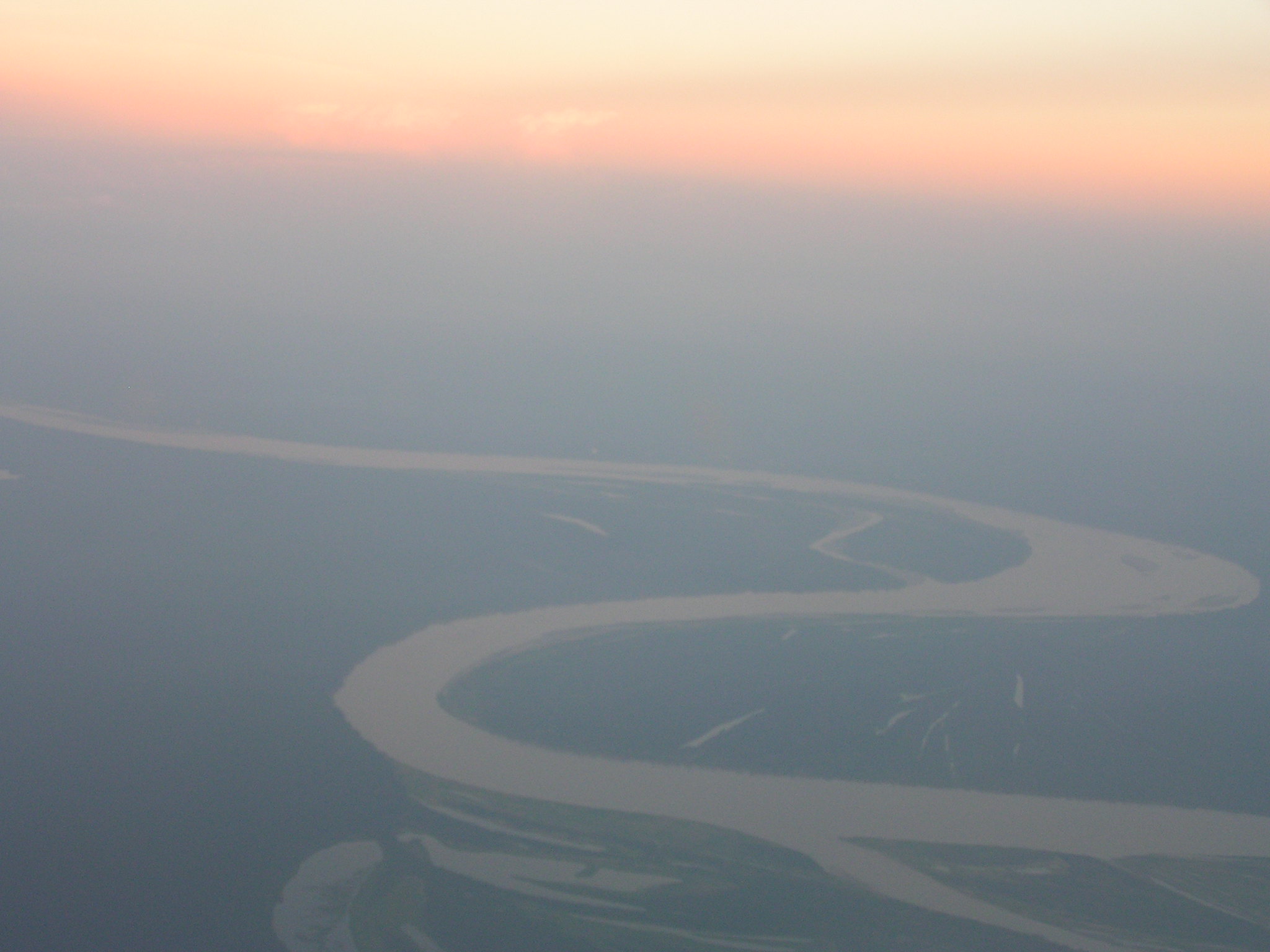
Deep within the vast and untamed Amazon rainforest flows a network of waterways that seem almost otherworldly. These are the blackwater rivers, known for their dark, tea-colored appearance and mirror-like surfaces that reflect the dense jungle canopy above. At first glance, their color may appear murky or opaque, but in reality, these rivers are often incredibly clear, revealing a hidden world shaped by chemistry, ecology, and time.
Blackwater rivers are one of the most fascinating features of the Amazon basin. They differ dramatically from the more commonly known muddy whitewater rivers and crystal-clear streams. Instead, they carry the essence of the rainforest itself—infused with organic matter, shaped by seasonal flooding, and home to species found nowhere else on Earth.
In this long-form guide, we will explore the origins, characteristics, ecology, and importance of blackwater rivers, with a strong focus on their role in the Amazon rainforest. Along the way, we will uncover why these rivers are essential to biodiversity, how they support unique ecosystems, and why they continue to captivate scientists, travelers, and nature lovers alike.
What Are Blackwater Rivers?
Defining Blackwater Rivers
Blackwater rivers are a specific type of river distinguished by their dark coloration, which ranges from deep brown to almost black. This coloration is not due to pollution or sediment but rather the presence of dissolved organic compounds—primarily tannins and humic acids. These substances are released as leaves, wood, and other plant materials decompose in the water.
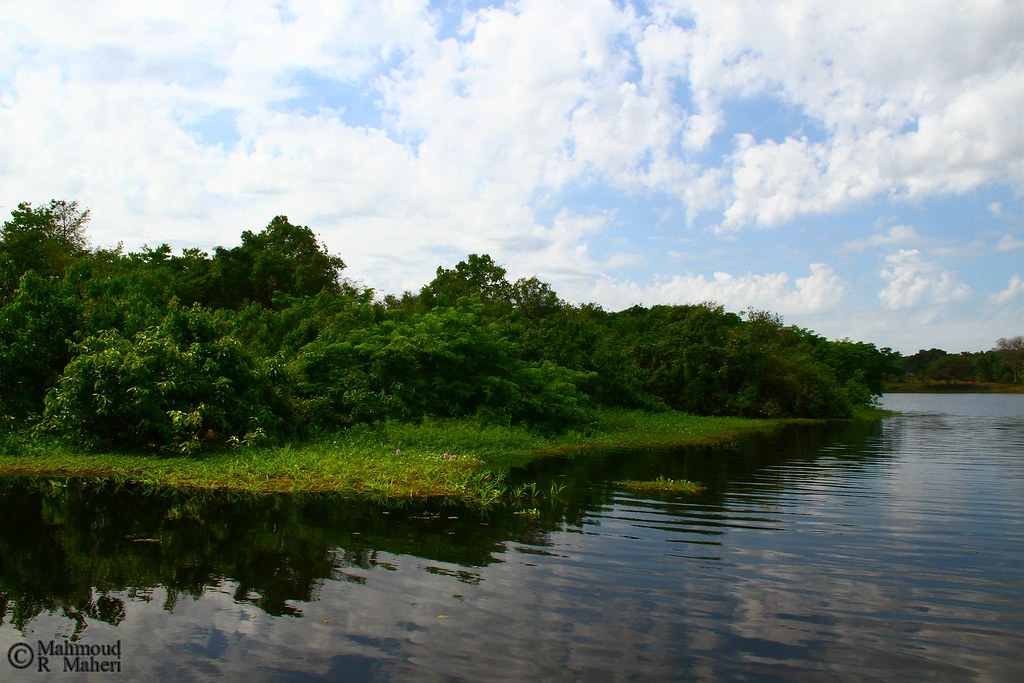
The result is a river that looks like steeped tea, rich in color yet surprisingly transparent. When you peer into a blackwater river, you may notice that visibility can extend several meters below the surface, especially when sunlight penetrates at the right angle.
These rivers are typically found in heavily forested regions, where the surrounding vegetation continuously feeds organic matter into the water. In the Amazon rainforest, this process is constant, making blackwater rivers a defining feature of the landscape.
Key Characteristics of Blackwater Rivers
Blackwater rivers possess a unique set of characteristics that distinguish them from other river systems. One of the most notable features is their low nutrient content. Unlike sediment-rich rivers that carry minerals from the Andes or other highlands, blackwater rivers flow through nutrient-poor soils that contribute little to their composition.
Another defining trait is their acidic nature, with pH levels often ranging between 3.5 and 5.5. This acidity influences the types of organisms that can survive in these waters, leading to highly specialized ecosystems.
Additionally, blackwater rivers are generally low in sediment, which contributes to their clarity despite their dark color. The absence of suspended particles allows light to pass through the water, creating striking visual effects and enabling certain aquatic plants to thrive.
How Blackwater Rivers Form
The Role of Organic Matter in River Formation
The formation of blackwater rivers begins with the dense vegetation of the Amazon rainforest. Every day, countless leaves, branches, fruits, and seeds fall into streams and rivers. Over time, this organic material accumulates and begins to decompose.
As decomposition occurs, tannins and humic acids are released into the water. These compounds stain the water, gradually transforming it into the dark, tea-colored liquid characteristic of blackwater rivers. This process is continuous, meaning that the river is constantly being “refreshed” with organic compounds from the surrounding forest.
The warm, humid conditions of the Amazon accelerate decomposition, making this process especially efficient. As a result, blackwater rivers are most commonly found in tropical rainforest environments where organic input is high.
Soil Composition and Its Influence
The soils surrounding blackwater rivers play a crucial role in their formation. In many parts of the Amazon, the soil is sandy and low in nutrients. This means that when rainwater flows into rivers, it carries very little mineral content.
Unlike whitewater rivers, which are fed by sediment-rich runoff from mountainous regions, blackwater rivers receive minimal inorganic material. This lack of sediment helps maintain their clarity while allowing organic compounds to dominate their composition.
Seasonal Flooding and Forest Interaction
Another important factor in the formation of blackwater rivers is seasonal flooding. During the rainy season, water levels rise dramatically, causing rivers to overflow their banks and flood large areas of forest.
This flooding creates what is known as igapó forest, where trees and plants remain submerged for months at a time. As water moves through these flooded forests, it absorbs even more organic material, deepening its color and enhancing its chemical properties.
This close interaction between river and forest is a defining feature of blackwater ecosystems, creating a dynamic environment that changes with the seasons.
Types of Amazon Rivers: Understanding the Differences
Blackwater Rivers
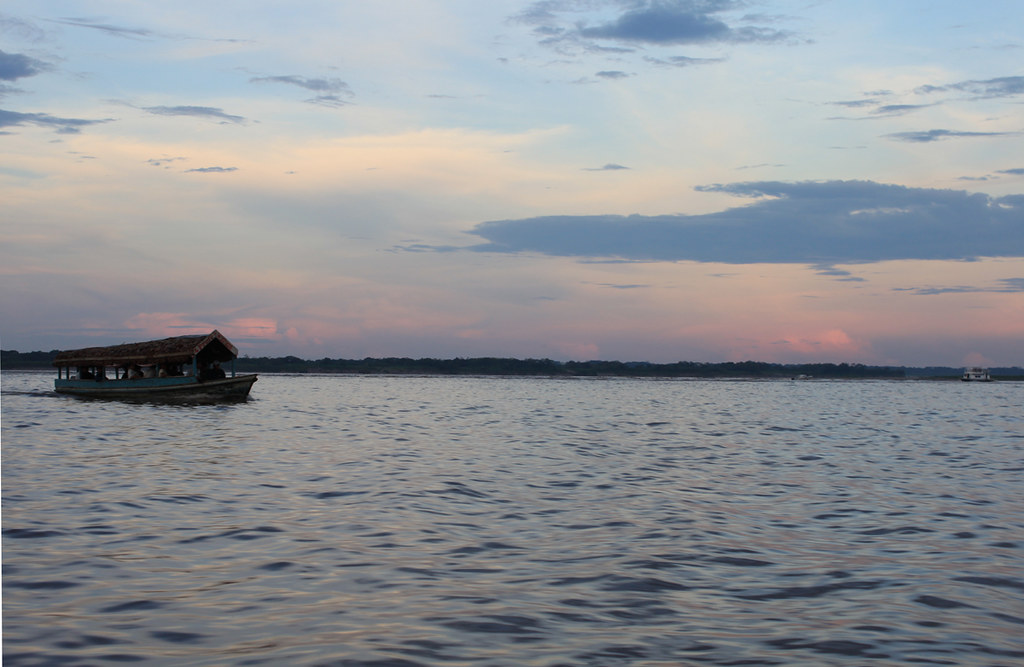
Blackwater rivers are defined by their dark color, low nutrient levels, and acidic conditions. They are typically slow-moving and flow through forested regions with poor soils. Their ecosystems are specialized and often less productive in terms of biomass but highly unique in terms of biodiversity.
Whitewater Rivers
Whitewater rivers, in contrast, are rich in sediments and nutrients. They originate in mountainous regions such as the Andes and carry large amounts of mineral-rich material downstream. This gives them a muddy, light-brown appearance and supports highly productive ecosystems.
Clearwater Rivers
Clearwater rivers fall somewhere in between. They are relatively transparent, with a greenish or bluish tint, and carry moderate levels of nutrients. These rivers often flow over rocky terrain and support a different set of plant and animal species.
Understanding these three river types helps illustrate the diversity of the Amazon basin and highlights the unique role that blackwater rivers play within it.
The Ecology of Blackwater Rivers
Life in Low-Nutrient Waters
At first glance, the low nutrient levels of blackwater rivers might suggest that they are poor habitats for life. However, this is far from the truth. Instead, these rivers support a range of species that have evolved to thrive under challenging conditions.
Fish species in blackwater rivers are often small but incredibly colorful. Their bright hues stand out against the dark background, creating a striking visual contrast. These colors may serve purposes such as communication, camouflage, or mating displays.
Specialized Adaptations
Organisms living in blackwater rivers have developed unique adaptations to cope with acidity and limited nutrients. Some fish have highly efficient systems for extracting nutrients from scarce resources, while others rely on specialized diets that include fruits, seeds, or insects.
In addition, certain species have enhanced sensory abilities that allow them to navigate in low-light conditions. For example, some fish use electrical signals to detect their surroundings and communicate with others.
These adaptations demonstrate the resilience and ingenuity of life in the Amazon rainforest.
Blackwater Flooded Forests (Igapó Ecosystems)
The Seasonal Transformation of the Forest
One of the most remarkable aspects of blackwater rivers is their relationship with igapó forests. During the rainy season, rising water levels transform vast areas of forest into flooded landscapes.
Trees that are normally rooted in dry soil become partially or fully submerged, creating a surreal environment where fish swim among branches and leaves. This transformation can last for several months, dramatically altering the structure and function of the ecosystem.
Ecological Interactions
The flooding of igapó forests creates opportunities for unique ecological interactions. Fish feed on fruits and seeds that fall from trees, helping to disperse plant species throughout the forest. This mutual relationship benefits both the plants and the animals, contributing to the overall health of the ecosystem.
Other animals, such as monkeys and birds, continue to inhabit the forest canopy, while reptiles and amphibians adapt to the changing environment below.
Famous Blackwater Rivers in the Amazon
The Rio Negro
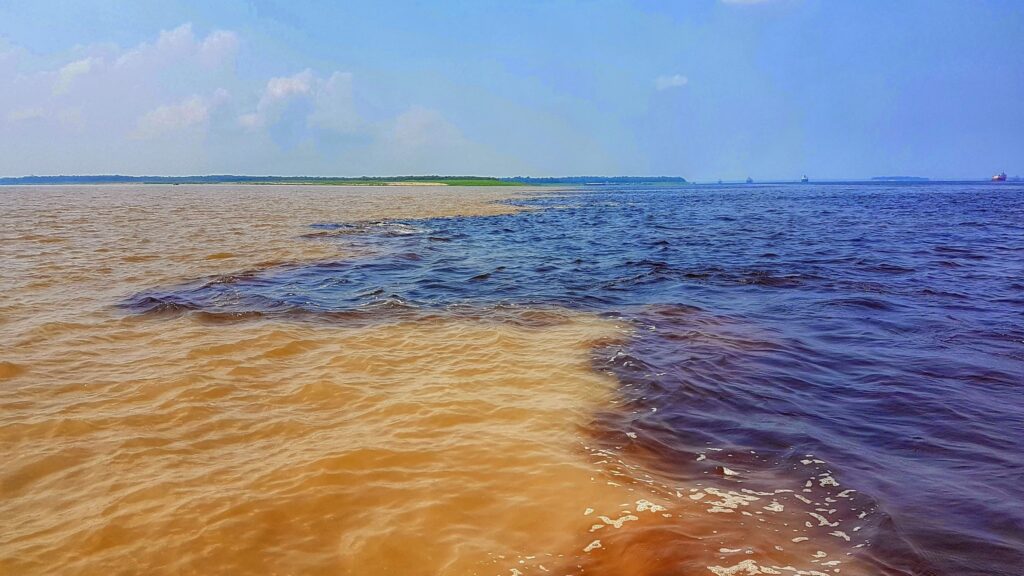
The Rio Negro is the most famous blackwater river in the world and one of the largest tributaries of the Amazon River. Its dark waters stretch across vast distances, creating a dramatic contrast when they meet the lighter waters of the Amazon in a phenomenon known as the “Meeting of Waters.”
Blackwater Rivers in the Peruvian Amazon
In Peru, blackwater rivers can be found in regions such as Tambopata and the Madre de Dios basin. These areas offer pristine जंगल environments where visitors can experience the beauty and tranquility of blackwater ecosystems firsthand.
These rivers are often explored through guided tours that include canoe trips, wildlife observation, and jungle hikes.
Wildlife Encounters Along Blackwater Rivers

Mammals, Birds, and Aquatic Species
Blackwater rivers provide excellent opportunities for wildlife observation. The calm waters and quiet surroundings make it easier to spot animals such as river dolphins, giant otters, and capybaras.
Birdlife is also abundant, with species such as macaws, toucans, and kingfishers frequently seen along riverbanks.
Reptiles and Amphibians
Reptiles and amphibians thrive in blackwater environments, taking advantage of the flooded forests and abundant shelter. Caimans, frogs, and snakes are commonly found in these مناطق, each playing a role in the ecosystem.
Why Blackwater Rivers Matter
Biodiversity and Ecosystem Health
Blackwater rivers are vital to the biodiversity of the Amazon rainforest. They support species that are uniquely adapted to their conditions, making them irreplaceable components of the ecosystem.
Climate and Carbon Cycling
The organic material in blackwater rivers plays a role in carbon storage and cycling. By processing and transporting carbon, these rivers contribute to global climate regulation.
Cultural Importance
For Indigenous communities, blackwater rivers are more than just natural features—they are lifelines that provide food, transportation, and cultural identity. Protecting these rivers is essential for preserving traditional ways of life.
Exploring Blackwater Rivers: Travel and Experience
Immersive Jungle Experiences
Exploring blackwater rivers is one of the most rewarding ways to experience the Amazon rainforest. Activities such as canoeing, boat rides, and guided hikes allow visitors to connect with nature on a deeper level.
Night excursions reveal a different side of the jungle, where nocturnal animals emerge and the forest comes alive with sound.
Seasonal Perspectives
The experience of visiting blackwater rivers changes with the seasons. High water levels allow for navigation through flooded forests, while low water levels expose trails and riverbanks for exploration.
Photography and Scenic Appeal
Reflections and Light
Blackwater rivers are renowned for their reflective surfaces, which mirror the sky and forest with stunning clarity. This creates ideal conditions for photography, especially during early morning and late afternoon.
Capturing the Amazon’s Essence
Photographers are drawn to these rivers for their ability to capture the essence of the Amazon rainforest—its mystery, beauty, and diversity.
Conservation Challenges and Future Outlook
Threats to Blackwater Ecosystems
Despite their remote nature, blackwater rivers face growing threats from human activity. Deforestation, mining, and climate change can all impact water quality and disrupt delicate ecosystems.
Protecting the Amazon’s Hidden Rivers
Conservation efforts are essential to preserving blackwater rivers. Protected areas, sustainable tourism, and Indigenous stewardship all play a role in safeguarding these уник ecosystems for future generations.
A Hidden World Worth Protecting
Blackwater rivers are among the most captivating and least understood features of the Amazon rainforest. Their dark waters, shaped by nature’s slow processes, support a world of life uniquely adapted to thrive in challenging conditions.
From their role in biodiversity to their cultural and ecological importance, blackwater rivers are essential to the health of the Amazon basin. As we continue to explore and learn about these remarkable waterways, it becomes increasingly clear that they are not only natural wonders but also vital components of our planet’s future.
To witness a blackwater river is to glimpse a hidden world—quiet, reflective, and profoundly connected to the rhythms of the rainforest.