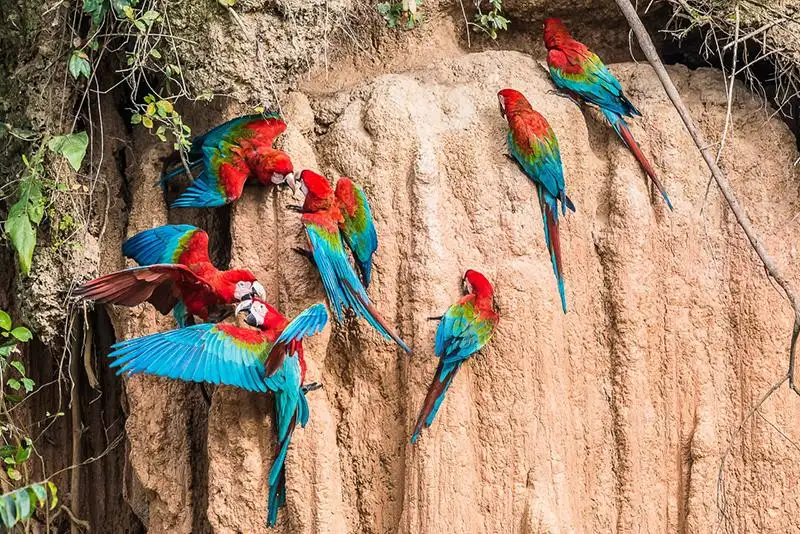
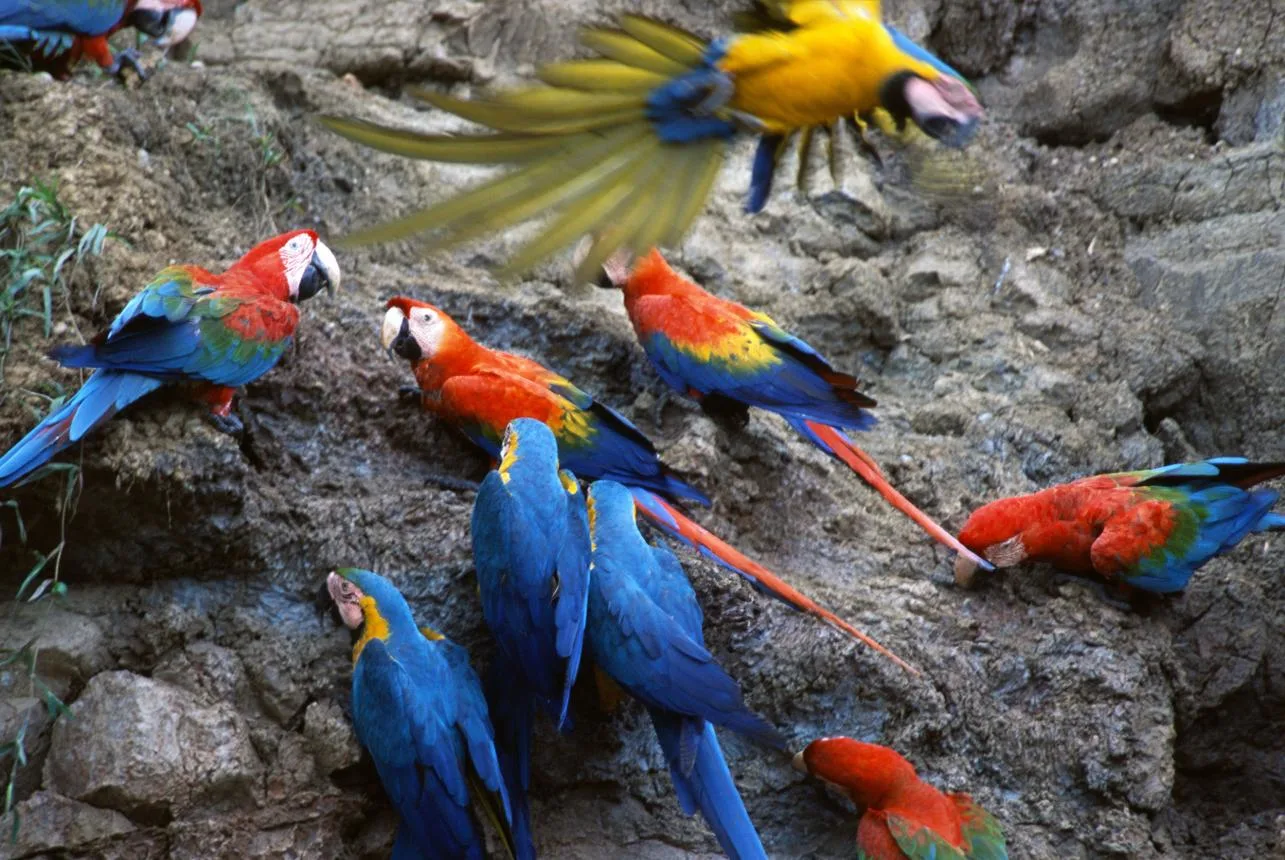
Deep within the lush, biodiverse ecosystems of the Amazon rainforest, a daily spectacle unfolds that has intrigued scientists, travelers, and wildlife enthusiasts for generations. At dawn, the forest canopy comes alive with flashes of red, blue, and yellow as flocks of macaws descend upon exposed riverbanks. These vibrant parrots gather on steep clay cliffs, chattering loudly as they peck and consume the soil.
To the untrained eye, this behavior seems unusual—perhaps even puzzling. Why would birds that thrive on fruits, nuts, and seeds deliberately eat clay? The answer reveals a fascinating intersection of biology, chemistry, and survival strategy. Understanding why macaws eat clay opens a window into the complexities of rainforest ecosystems and the remarkable adaptations of wildlife.
Understanding Geophagy: Why Animals Eat Clay
What Is Geophagy?
The behavior of eating soil or clay is known as geophagy, a practice observed in many animal species, including mammals, reptiles, and birds. In the case of macaws, geophagy is not accidental—it is intentional, selective, and essential for survival.
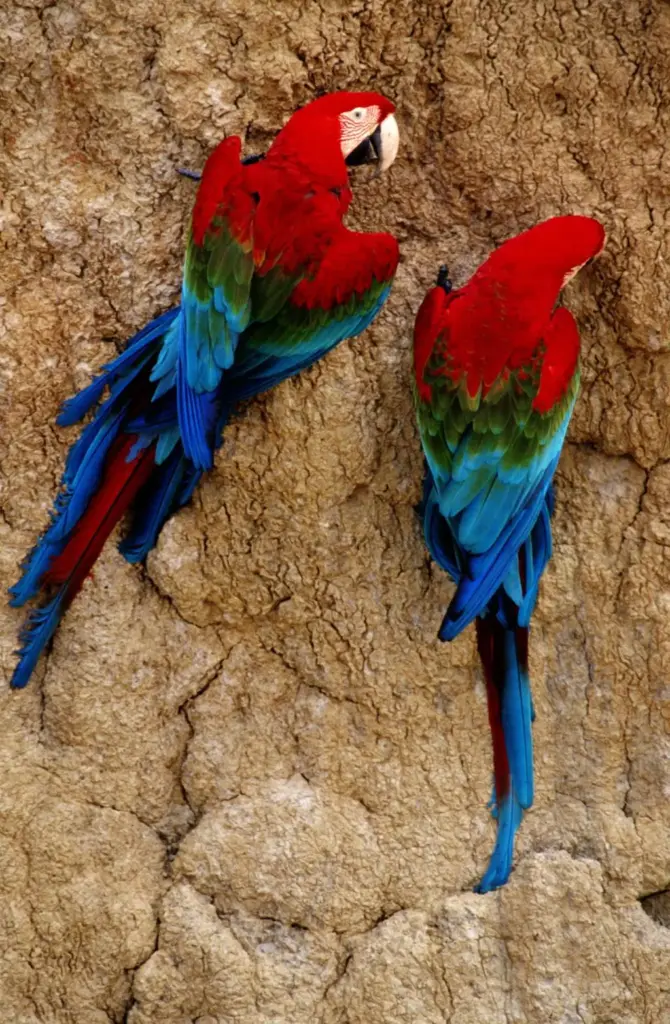
Geophagy in parrots and macaws has evolved as a response to environmental challenges, particularly related to diet and nutrient availability. Rather than being a random habit, clay consumption plays a critical role in maintaining health and enabling dietary flexibility.
The Core Reason: Detoxifying a Toxic Diet
The Hidden Danger in Rainforest Foods
Macaws primarily feed on a wide range of rainforest foods, including:
- Fruits
- Seeds
- Nuts
- Berries
While these foods are abundant, many contain natural plant toxins, especially compounds like alkaloids and tannins. These chemicals are part of the plants’ defense systems, designed to deter animals from eating them.
For most animals, consuming large amounts of these toxins would be harmful or even deadly. However, macaws have evolved a clever workaround.
How Clay Neutralizes Toxins
One of the main answers to the question “why do macaws eat clay?” lies in detoxification. The fine particles in clay have chemical properties that allow them to bind to toxins in the digestive system.
This process works in two key ways:
- Adsorption of toxins – Clay particles attach to harmful compounds, preventing them from being absorbed into the bloodstream.
- Protection of the digestive tract – Clay can form a protective layer that reduces irritation caused by toxic substances.
By eating clay, macaws effectively create a natural detox system, allowing them to safely consume foods that would otherwise be dangerous.
Mineral Supplementation: A Critical Nutritional Benefit
Why Sodium Matters
Another major reason macaws eat clay in the Amazon is to obtain essential minerals—especially sodium. Sodium plays a vital role in:
- Nerve function
- Muscle contraction
- Hydration balance
- Overall metabolic health
In most ecosystems, sodium is readily available. However, in inland rainforests like the Amazon, sodium is surprisingly scarce.
The Amazon’s Sodium Deficiency
The Amazon basin is far from oceanic salt sources, and heavy rainfall washes away minerals from the soil. As a result, many plants—and the animals that eat them—are deficient in sodium.
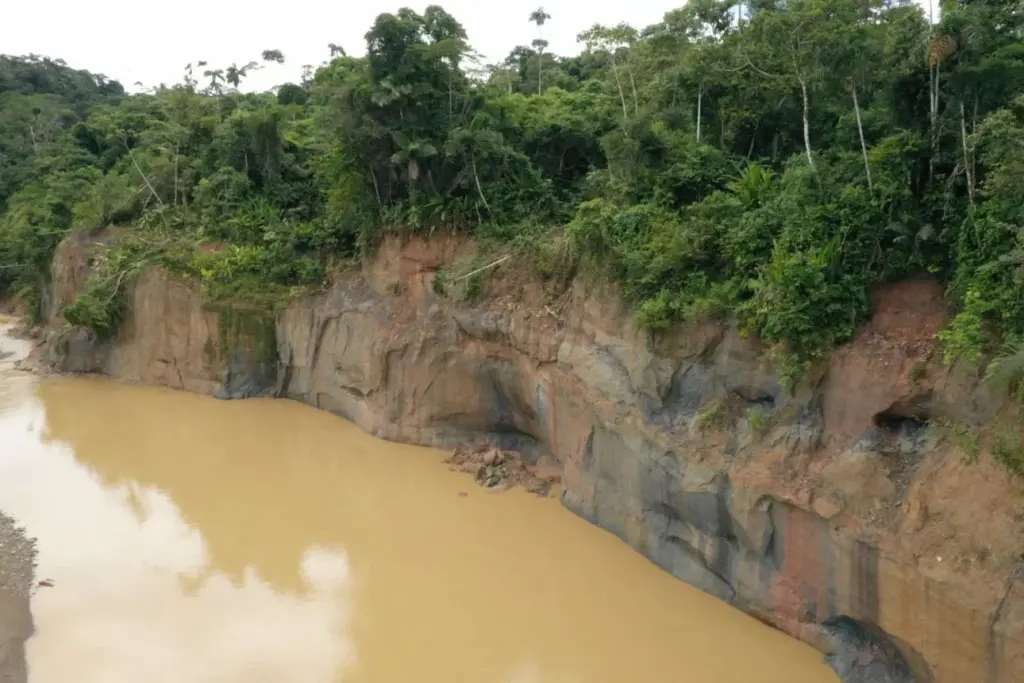
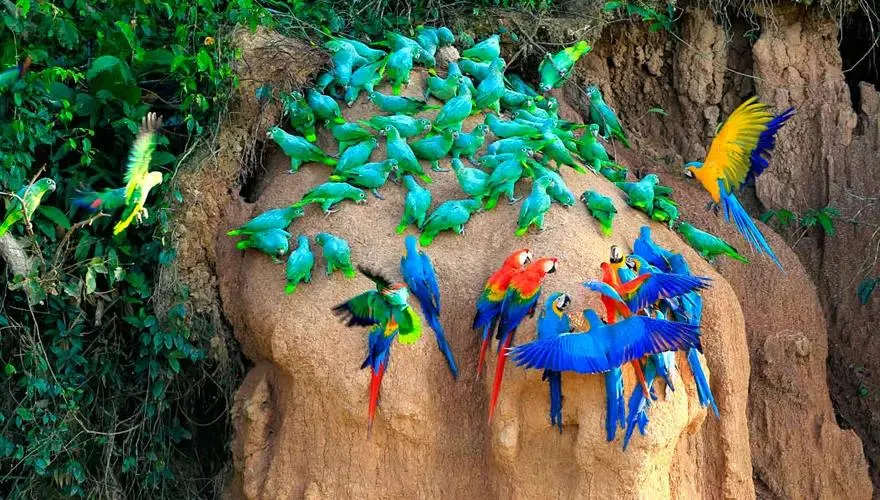
Clay licks, also known as collpas, provide a concentrated source of this essential mineral. Studies have shown that macaws often travel long distances to reach specific clay sites that are particularly rich in sodium.
Why Not Just Eat Other Foods?
You might wonder why macaws don’t simply find alternative food sources. The reality is that:
- Sodium-rich foods are limited in the rainforest
- Competition for resources is intense
- Clay provides a reliable and concentrated mineral source
Thus, eating clay becomes not just beneficial but necessary.
Selective Feeding: Not All Clay Is Equal
How Macaws Choose Clay Licks
Macaws are highly selective about where they eat clay. They don’t just consume soil from any riverbank—they seek out specific locations with unique chemical compositions.
Research has shown that preferred clay licks typically have:
- High sodium content
- Fine, easily digestible particles
- Low levels of harmful contaminants
This selective behavior demonstrates that macaws are not randomly eating dirt—they are actively choosing the most beneficial sources.
Long-Distance Travel for the Right Clay
In some cases, macaws will bypass closer clay deposits to reach more suitable ones. This suggests a learned behavior passed down through generations, highlighting the importance of these sites in their survival.
A Social Ritual: More Than Just Nutrition
Gathering at the Clay Licks
Another fascinating aspect of why macaws eat clay is the social dimension of the behavior. Clay licks are not just feeding grounds—they are bustling social hubs.
Every morning, large groups of macaws gather, creating a vibrant and noisy spectacle. These gatherings serve multiple purposes:
- Strengthening pair bonds
- Observing and learning from other birds
- Reinforcing social hierarchies
Learning Behavior in Young Macaws
Juvenile macaws often accompany adults to clay licks, where they learn:
- Which sites are safe
- How to consume clay effectively
- When to visit
This social learning is crucial for survival, ensuring that knowledge about essential resources is passed on.
Timing and Routine: Why Morning Matters
Early Morning Visits
Macaws typically visit clay licks in the early morning hours. This timing is not random—it offers several advantages:
- Cooler temperatures reduce stress
- Lower predator activity
- Optimal digestion after overnight fasting
Additionally, morning visits allow macaws to detoxify their systems before consuming more food throughout the day.
The Role of Clay in Reproduction and Growth
Importance for Breeding Pairs
Clay consumption becomes even more critical during the breeding season. Nesting macaws require additional nutrients to support:
- Egg production
- Embryo development
- Chick growth
Sodium and other minerals obtained from clay directly impact reproductive success.
Supporting Chick Development
Young macaws depend on their parents for nutrition, and the benefits of clay consumption extend to them as well. Healthy parents produce healthier offspring, making clay licks vital for population sustainability.
Clay Licks and Biodiversity
A Shared Resource
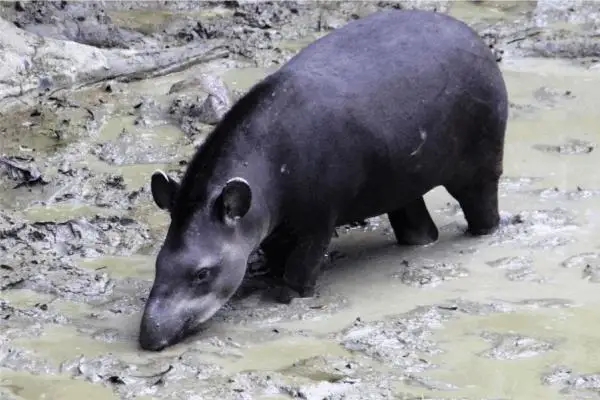
Macaws are not the only animals that rely on clay licks. These sites attract a wide range of species, including:
- Parrots and parakeets
- Mammals like deer and monkeys
- Insects and reptiles
This makes clay licks biodiversity hotspots, where multiple species benefit from the same resource.
Ecosystem Importance
The presence of clay licks contributes to:
- Nutrient cycling
- Species interaction
- Ecological balance
Protecting these sites helps preserve entire ecosystems, not just macaws.
Conservation Challenges: Protecting a Critical Resource
Threats to Clay Licks
Despite their importance, clay licks are increasingly under threat from human activities such as:
- Logging
- Mining
- Agriculture
- Infrastructure development
These activities can destroy or degrade clay licks, making them unusable for wildlife.
Why Loss of Clay Licks Matters
Because macaws rely on specific soil compositions, they cannot easily adapt to the loss of a clay lick. The destruction of even a single site can have significant consequences for local populations.
The Role of Ecotourism
Raising Awareness
Responsible ecotourism has become a powerful tool in protecting clay licks. Visitors who witness macaws feeding on clay often gain a deeper appreciation for the complexity of nature.
Supporting Conservation Efforts
Tourism can provide funding for:
- Habitat protection
- Scientific research
- Local conservation initiatives
When managed responsibly, it creates a balance between human interest and environmental preservation.
Scientific Insights: What Research Tells Us
Key Findings
Scientific studies on why macaws eat clay have revealed several important insights:
- Clay reduces toxin absorption
- Sodium is a primary driver of clay consumption
- Social behavior enhances survival strategies
These findings have helped reshape our understanding of animal nutrition and adaptation.
Ongoing Research
Researchers continue to study:
- Variations in clay composition
- Seasonal changes in behavior
- Long-term impacts of environmental changes
This ongoing work is crucial for developing effective conservation strategies.
Common Myths About Macaws Eating Clay
Myth 1: They Eat Clay Out of Hunger
Macaws are not eating clay because they lack food. In fact, they often visit clay licks even when food is abundant.
Myth 2: It’s Random Behavior
Clay consumption is highly selective and purposeful, driven by specific biological needs.
Myth 3: All Birds Do This
While geophagy occurs in various species, it is particularly important and specialized in macaws and parrots.
Broader Implications: What This Teaches Us
Nutritional Ecology in Action
The behavior of macaws highlights the concept of nutritional ecology, where animals actively seek out nutrients missing from their diets.
Adaptation and Survival
Macaws demonstrate how species can evolve complex strategies to overcome environmental challenges.
Interconnected Ecosystems
The reliance on clay licks shows how even small features in an ecosystem can have far-reaching impacts.
Conclusion: The True Reason Why Macaws Eat Clay
So, why do macaws eat clay? The answer is both simple and profound. Clay consumption is a finely tuned survival strategy that allows macaws to:
- Neutralize harmful toxins in their diet
- Obtain essential minerals like sodium
- Support reproduction and overall health
- Strengthen social bonds within their communities
What appears to be a curious habit is, in reality, a sophisticated adaptation shaped by millions of years of evolution.
The next time you imagine macaws gathered on a clay bank, remember that they are not merely eating dirt. They are engaging in a vital ritual—one that sustains their bodies, supports their communities, and reflects the intricate balance of life in the Amazon rainforest.
Understanding this behavior not only answers the question of why macaws eat clay, but also reminds us of the delicate connections that sustain life on Earth—and the importance of protecting them.