The Amazon rainforest seasons offer a fascinating glimpse into one of the most complex and dynamic ecosystems on Earth. Unlike the four-season patterns found in temperate regions, the Amazon operates on a rhythm defined by rainfall, humidity, and subtle climatic shifts. These seasonal patterns shape everything—from river levels and forest growth to wildlife behavior and human life.
Stretching across nine South American countries, the Amazon Rainforest is the largest tropical rainforest in the world. Its seasonal cycles are not just weather patterns—they are the lifeblood of a vast ecological network that supports millions of species and regulates global climate systems.
In this comprehensive guide, we’ll explore the wet and dry seasons of the Amazon, the role of temperature and humidity, the impact on biodiversity, and how climate change and human activity are reshaping this delicate balance.
Understanding the Amazon Rainforest Climate
A Tropical Climate Like No Other
The Amazon Basin is defined by a tropical rainforest climate, meaning it remains warm, humid, and biologically active throughout the year. Temperatures typically range between 25°C and 30°C (77°F to 86°F), with minimal variation.
Unlike regions with winter, spring, summer, and fall, the Amazon rainforest seasons are divided into:
- Wet Season (Rainy Season)
- Dry Season (Less Rainy Season)
This distinction may seem simple, but the ecological consequences are profound.
Key Climate Characteristics
- Consistently high temperatures
- Heavy annual rainfall (2,000–3,000 mm)
- High humidity (often above 80%)
- Minimal seasonal temperature fluctuation
These conditions create a stable yet highly responsive environment where even slight seasonal changes can trigger massive ecological shifts.
The Two Main Amazon Rainforest Seasons
1. The Wet Season (November to May)
The Rainy Season in the Amazon
The wet season, often referred to as the Amazon rainy season, is when the rainforest truly comes alive. During this period, torrential rains transform the landscape into a lush, water-rich paradise.
What Happens During the Wet Season?
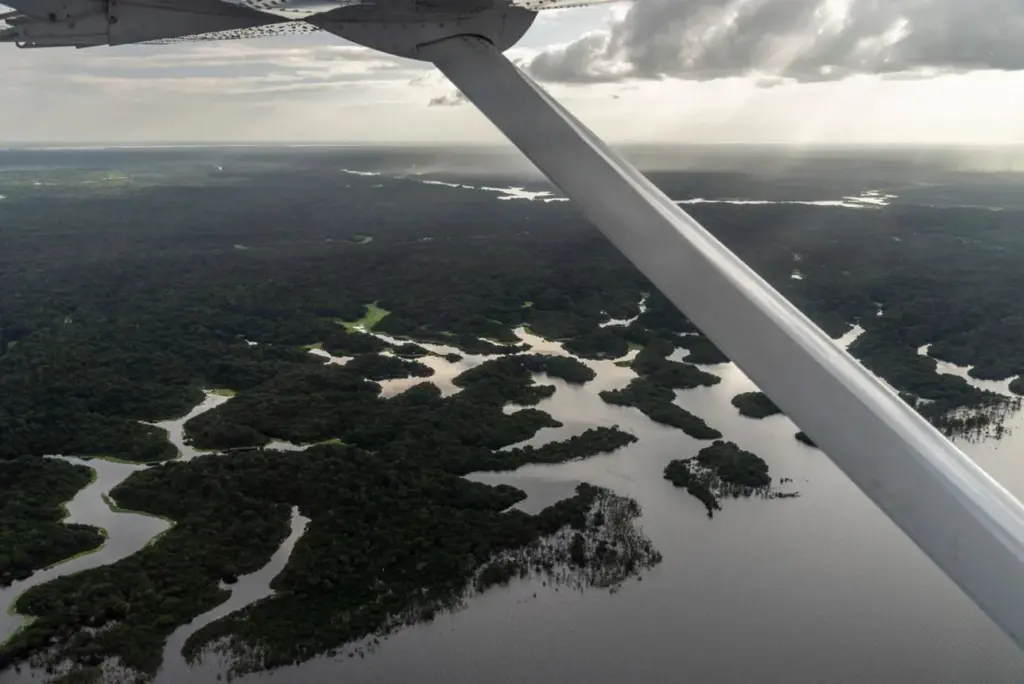
- Rivers swell and flood vast forest areas
- Rainfall can occur daily, often in intense bursts
- Water levels rise by several meters
- Forest floors become submerged in many regions
This phenomenon is sometimes called “flooded forest” or várzea, where entire ecosystems adapt to months underwater.
Ecological Importance
The wet season is essential for:
- Plant growth and regeneration
- Fruit production
- Nutrient distribution via flooding
- Breeding cycles of animals
Trees absorb vast amounts of water, while rivers transport nutrients deep into the forest, fertilizing the ecosystem naturally.
Wildlife Activity in the Wet Season
This season is a peak time for biodiversity:
- Amphibians like frogs thrive and reproduce
- Fish expand into flooded forests
- Birds nest and feed on abundant fruits
- Mammals benefit from increased food availability
The forest becomes a symphony of sounds—chirping, croaking, buzzing—reflecting an explosion of life.
2. The Dry Season (June to October)
A Misleading Name
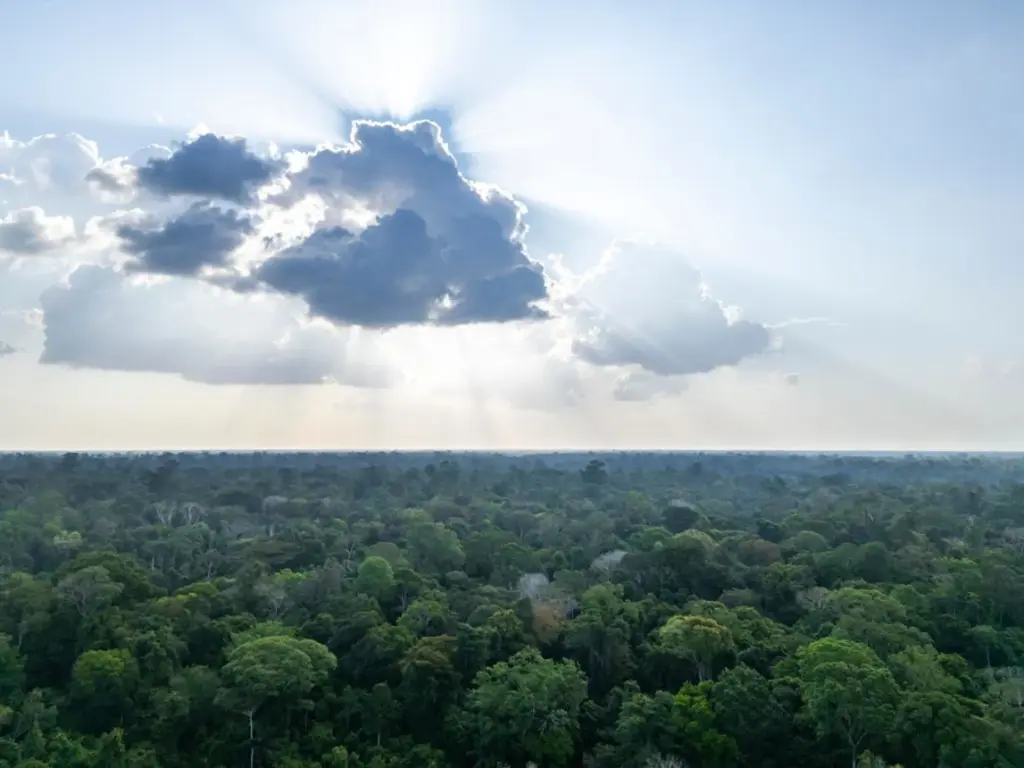
The dry season in the Amazon rainforest is not truly “dry.” Instead, it’s better described as a period of reduced rainfall. Showers still occur, but less frequently.
Environmental Changes
During the dry season:
- River levels drop significantly
- Flooded forests recede
- Trails and forest floors become accessible
- Sunlight penetrates deeper into the canopy
This shift reveals parts of the rainforest hidden for months.
Ecological Role of the Dry Season
The dry season is crucial for:
- Seed dispersal and plant reproduction
- Predator-prey dynamics
- Animal migration and adaptation
Some species depend on these drier conditions to hunt or forage effectively.
Wildlife Adaptations
Animals respond in fascinating ways:
- Predators benefit from reduced vegetation cover
- Some species migrate toward water sources
- Others enter dormancy or reduce activity
- Birds and mammals change feeding patterns
This season highlights the resilience and adaptability of Amazonian life.
Rainfall Patterns and Seasonal Variability
Not Uniform Across the Amazon
One important aspect of Amazon rainforest seasons is that they vary by region. The rainforest spans millions of square kilometers, and rainfall patterns differ depending on location.
- Western Amazon: wetter and more consistent rainfall
- Southern Amazon: more pronounced dry season
- Northern Amazon: less seasonal variation
Annual Rainfall Totals
- Average rainfall: 2,000–3,000 mm per year
- Some areas exceed 4,000 mm annually
This immense rainfall drives the Amazon’s hydrological cycle, influencing both regional and global weather systems.
The Role of Humidity and Temperature
High Humidity: The Engine of Life
Humidity in the Amazon is consistently high, typically ranging between 77% and 88%. This moisture-rich air is essential for:
- Plant transpiration
- Cloud formation
- Rainfall cycles
- Ecosystem stability
Stable Temperatures Year-Round
Because the Amazon lies near the equator:
- Temperature variation is minimal
- Day and night differences are more noticeable than seasonal changes
This stability allows plants and animals to thrive without needing to adapt to extreme temperature swings.
Microclimates Within the Rainforest
A Forest That Creates Its Own Weather
The Amazon doesn’t just respond to climate—it actively shapes it.
One of the most fascinating processes is evapotranspiration, where trees release water vapor into the atmosphere. This contributes to:
- Cloud formation
- Rainfall recycling
- Local cooling effects
This system is sometimes described as “flying rivers”, where moisture travels through the atmosphere and influences rainfall far beyond the Amazon.
Forest Respiration
Trees collectively act like a giant breathing organism, releasing moisture and regulating humidity. This creates unique microclimates within the forest.
Seasonal Changes and Biodiversity
A Dynamic Ecosystem
The Amazon rainforest seasons and wildlife are deeply interconnected. Each season triggers changes in behavior, reproduction, and survival strategies.
Wet Season Biodiversity Boom
- Increased plant growth
- Abundant fruits and flowers
- Breeding season for many species
- Expansion of aquatic habitats
Dry Season Survival Strategies
- Migration to water sources
- Reduced activity or dormancy
- Specialized feeding behaviors
- Increased predator efficiency
Phenology: Nature’s Timing System
Many plants follow phenology, adjusting their flowering and fruiting cycles to align with seasonal conditions. This ensures:
- Successful pollination
- Efficient seed dispersal
- Maximum survival rates
The Amazon River and Seasonal Flooding
A Vital Force
The Amazon River plays a central role in seasonal changes. During the wet season:
- It expands dramatically
- Floods surrounding forests
- Creates temporary aquatic ecosystems
During the dry season:
- Water levels recede
- New land becomes accessible
- Nutrient-rich soils are exposed
This cycle supports both terrestrial and aquatic life.
Human Life and Amazon Rainforest Seasons
Indigenous Knowledge and Adaptation
Indigenous communities have lived in harmony with the Amazon rainforest climate for thousands of years. They understand:
- Seasonal hunting patterns
- Flood cycles for fishing
- Agricultural timing based on rainfall
Their survival depends on deep ecological knowledge.
Seasonal Agriculture
Local populations adapt farming techniques to seasonal changes:
- Planting during the wet season
- Harvesting as waters recede
- Using floodplains for fertile soil
This sustainable approach reflects a close relationship with nature.
Climate Change and Its Impact
Disrupting Natural Cycles
Climate change is increasingly affecting Amazon rainforest seasons:
- Irregular rainfall patterns
- Longer dry seasons
- Increased temperatures
- More frequent droughts
Consequences for the Ecosystem
- Stress on plant and animal species
- Increased risk of forest fires
- Reduced biodiversity
- Altered river systems
Even small disruptions can have cascading effects across the ecosystem.
Deforestation and Human Impact
A Threat to Seasonal Balance
Human activities such as:
- Logging
- Agriculture
- Urban expansion
are altering the Amazon’s natural climate patterns.
Effects on Rainfall
Deforestation reduces evapotranspiration, leading to:
- Less rainfall
- Drier conditions
- Disrupted seasonal cycles
Impact on Indigenous Communities
Changing seasons affect:
- Food availability
- Water access
- Traditional ways of life
This creates both environmental and cultural challenges.
Best Time to Visit the Amazon Rainforest
Choosing Between Seasons
If you’re planning a trip, understanding the Amazon rainforest seasons is essential.
Visiting During the Wet Season
Pros:
- Lush landscapes
- Wildlife abundance
- Boat access to flooded areas
Cons:
- Heavy rainfall
- Limited hiking opportunities
Visiting During the Dry Season
Pros:
- Easier trekking
- Better wildlife spotting on land
- Fewer mosquitoes in some areas
Cons:
- Less dramatic scenery
- Reduced river access
Fascinating Facts About Amazon Rainforest Seasons
- The Amazon produces about 20% of the world’s oxygen
- It contains over 2.5 million insect species
- The Amazon River contributes 20% of global freshwater flow to oceans
- Seasonal flooding can raise river levels by up to 15 meters
- Over 400 indigenous groups rely on seasonal cycles for survival
Why Amazon Rainforest Seasons Matter Globally
Climate Regulation
The Amazon plays a key role in:
- Carbon storage
- Rainfall distribution across continents
- Temperature regulation
Biodiversity Preservation
Seasonal cycles maintain one of the richest ecosystems on Earth.
Water Cycle Influence
Moisture generated in the Amazon affects rainfall as far as:
- North America
- Europe
- Africa
Conclusion: The Living Rhythm of the Amazon
The Amazon rainforest seasons are more than just changes in weather—they are the heartbeat of a vast and intricate ecosystem. From the life-giving rains of the wet season to the resilience revealed during the dry months, every shift plays a vital role in sustaining life.
Understanding these seasonal patterns allows us to appreciate:
- The interconnectedness of nature
- The adaptability of species
- The importance of conservation
As climate change and human activity continue to threaten this delicate balance, protecting the Amazon becomes not just a regional concern, but a global responsibility.
By preserving the rhythms of the rainforest, we ensure that future generations can experience the wonder, diversity, and beauty of one of Earth’s most extraordinary natural treasures.