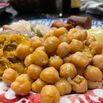
Amazonian cuisine is a vibrant, living expression of one of the most biodiverse ecosystems on Earth. Rooted in ancient traditions and shaped by the rhythms of the rainforest, it offers a unique culinary identity that is both deeply cultural and increasingly relevant in today’s world of sustainable gastronomy. In regions like Madre de Dios and Loreto, food is not just nourishment—it is history, survival, and a connection to nature itself.
This long-form exploration of Amazonian cuisine will take you deep into its origins, ingredients, cooking techniques, cultural significance, and its growing influence in global gastronomy, with a strong focus on the Amazon rainforest experience.
The Origins of Amazonian Cuisine: A Culinary Tradition Rooted in Nature
Amazonian cuisine dates back thousands of years, long before modern borders divided the rainforest into countries. Indigenous communities developed complex food systems based on observation, experimentation, and deep respect for the natural environment. These systems were not only sustainable but also highly efficient, allowing people to thrive in one of the most challenging ecosystems on Earth.
Unlike industrialized food cultures, Amazonian cuisine is built around what is locally available. Rivers, forests, and seasonal cycles dictate what is eaten and when. This intimate relationship with nature is what gives Amazonian cuisine its authenticity and depth.
Communities living along the Amazon River have historically relied on fishing, small-scale agriculture, and foraging. Over time, they refined techniques for processing foods like cassava, which can be toxic if not prepared correctly, demonstrating an extraordinary level of botanical knowledge.
Biodiversity: The Heart of Amazonian Cuisine
One of the defining characteristics of Amazonian cuisine is its reliance on biodiversity. The Amazon rainforest is home to tens of thousands of plant species and an immense variety of wildlife, many of which are used in traditional cooking.
This biodiversity translates into a culinary landscape unlike any other. Ingredients are not mass-produced or standardized; instead, they vary from one region to another, even from one community to the next. This creates a rich mosaic of flavors and textures that define Amazonian cuisine.
Fruits like camu camu, aguaje, and cupuaçu offer intense flavors and nutritional benefits. Fish species such as paiche and dorado provide protein in a way that is both sustainable and deeply tied to local ecosystems. Even insects, though less commonly discussed, play a role in certain traditional diets.
The abundance of natural ingredients means that Amazonian cuisine often relies on simplicity. Rather than masking flavors with heavy seasoning, dishes are designed to highlight the natural taste of each ingredient.
Staple Ingredients in Amazonian Cuisine
At the core of Amazonian cuisine are a handful of staple ingredients that form the basis of many dishes. These ingredients are versatile, nutritious, and deeply embedded in the culture of the region.
Cassava, also known as yuca, is perhaps the most important staple. It is used to make flour, breads, and beverages, and is a primary source of carbohydrates. Its preparation requires skill and knowledge, as raw cassava contains natural toxins that must be removed through processing.
Plantains are another essential component. They are used in a variety of ways—fried, boiled, mashed—and often accompany meat or fish dishes. Their mild sweetness and dense texture make them incredibly adaptable.
Freshwater fish are central to Amazonian cuisine. Species like paiche, one of the largest freshwater fish in the world, are often grilled or smoked. These fish are typically caught locally, ensuring freshness and sustainability.
Tropical fruits add both flavor and nutrition. Açaí, now globally popular, has long been a staple in Amazonian diets. Camu camu is prized for its exceptionally high vitamin C content, while aguaje is known for its rich, creamy texture and health benefits.
Together, these ingredients form the foundation of Amazonian cuisine, providing a balance of carbohydrates, proteins, and essential nutrients.
Traditional Cooking Techniques of the Rainforest
Amazonian cuisine is not just about ingredients—it is also about how those ingredients are prepared. Traditional cooking methods have been passed down through generations and are designed to preserve both flavor and nutritional value.
One of the most iconic techniques is cooking with leaves. Foods are often wrapped in bijao or banana leaves and then grilled or steamed. This method infuses dishes with a subtle, earthy aroma while keeping them moist and flavorful.
Open-fire cooking is another common practice. Whether grilling fish or roasting meat, cooking over fire adds a smoky depth that is characteristic of many Amazonian dishes.
Fermentation is also widely used, particularly in the preparation of beverages like masato. This process not only enhances flavor but also improves digestibility and nutritional value.
Smoking and drying are traditional preservation methods that allow food to be stored for longer periods without refrigeration. These techniques are especially important in remote areas where access to modern storage is limited.
Iconic Dishes of Amazonian Cuisine
Amazonian cuisine features a variety of traditional dishes that reflect the region’s cultural and ecological diversity.
Juane is perhaps the most famous dish in the Peruvian Amazon. Made with rice, chicken or fish, and spices, it is wrapped in bijao leaves and steamed. It is especially popular during the San Juan Festival, where it symbolizes tradition and community.
Tacacho con cecina is a hearty dish made from mashed fried plantains served with smoked pork. It is a staple meal that provides both energy and flavor.
Inchicapi is a rich, comforting soup made with chicken, peanuts, cassava, and corn. It represents the fusion of indigenous ingredients with influences introduced during colonial times.
Patarashca is a dish that perfectly captures the essence of Amazonian cooking. Fish is seasoned, wrapped in leaves, and grilled, resulting in a dish that is both simple and deeply flavorful.
Each of these dishes tells a story—not just of ingredients, but of people, traditions, and the environment.
Amazonian Beverages: Tradition in Every Sip
Beverages play an important role in Amazonian cuisine, often carrying cultural and ceremonial significance.
Masato, a fermented drink made from cassava, is widely consumed in indigenous communities. It is often shared during gatherings and celebrations, symbolizing hospitality and connection.
Fruit-based drinks are also popular. Aguajina, made from the aguaje fruit, is both refreshing and nutritious. Juices made from camu camu and cupuaçu are rich in vitamins and antioxidants.
Herbal infusions made from rainforest plants are used not only for hydration but also for their medicinal properties. These drinks reflect the deep knowledge of plant life that characterizes Amazonian cultures.
Amazonian Cuisine and Sustainability 🌱
Sustainability is at the core of Amazonian cuisine. Indigenous practices such as rotational farming, selective harvesting, and respect for wildlife ensure that natural resources are not depleted.
This approach contrasts sharply with industrial food systems, which often prioritize efficiency over environmental health. In the Amazon, food production is integrated into the ecosystem rather than imposed upon it.
As global awareness of sustainability grows, Amazonian cuisine is gaining recognition as a model for environmentally responsible eating. Its emphasis on local ingredients, minimal waste, and ecological balance aligns with modern values of sustainability and conservation.
The Rise of Amazonian Cuisine in Modern Gastronomy
In recent years, Amazonian cuisine has begun to attract international attention. Chefs and food enthusiasts are increasingly drawn to its unique ingredients and sustainable practices.
In cities like Lima, Amazonian ingredients are being incorporated into contemporary dishes, creating a fusion of tradition and innovation. This has helped bring Amazonian cuisine into the global culinary spotlight.
Restaurants are experimenting with new ways to present traditional flavors, from gourmet interpretations of classic dishes to innovative uses of Amazonian fruits and herbs. This evolution is helping to preserve the cuisine while making it accessible to a wider audience.
Experiencing Amazonian Cuisine in the Rainforest
One of the best ways to understand Amazonian cuisine is to experience it firsthand in the rainforest. In places like Puerto Maldonado, visitors can enjoy authentic meals prepared with locally sourced ingredients.
Eco-lodges and community-based tourism initiatives offer immersive culinary experiences. Guests can learn how to prepare traditional dishes, participate in foraging activities, and gain insight into the cultural significance of food.
Eating in the Amazon is not just about taste—it is about connection. It is an opportunity to engage with nature, culture, and history in a deeply meaningful way.
Health Benefits of Amazonian Cuisine
Amazonian cuisine is not only flavorful but also highly nutritious. Many of its ingredients are considered superfoods, offering a range of health benefits.
The diet is rich in vitamins, minerals, and antioxidants, thanks to its emphasis on fresh fruits and natural ingredients. It is also low in processed foods, making it a healthier alternative to many modern diets.
Fish provides high-quality protein and essential fatty acids, while fruits like camu camu boost the immune system. The use of natural herbs and plants adds additional health benefits, from improved digestion to anti-inflammatory effects.
Challenges Facing Amazonian Cuisine
Despite its richness, Amazonian cuisine faces several challenges. Deforestation threatens the biodiversity that sustains it, while cultural changes risk the loss of traditional knowledge.
Globalization, while bringing attention to the cuisine, can also lead to its commercialization and transformation. Maintaining authenticity while adapting to modern contexts is a delicate balance.
Efforts to preserve Amazonian cuisine must therefore focus not only on promoting it but also on protecting the environment and supporting indigenous communities.
Why Amazonian Cuisine Matters Today
Amazonian cuisine is more than a culinary tradition—it is a blueprint for sustainable living. It demonstrates how humans can coexist with nature in a way that is both respectful and productive.
In a world facing environmental challenges, the principles behind Amazonian cuisine offer valuable lessons. By embracing local ingredients, reducing waste, and respecting ecosystems, we can move toward a more sustainable future.
Discovering the Soul of the Amazon Through Food 🌎
Amazonian cuisine is a journey into the heart of the rainforest. It is a celebration of biodiversity, culture, and resilience. Every dish, every ingredient, and every technique reflects a deep connection to the natural world.
Whether you are exploring the الأسواق of Puerto Maldonado, dining in a jungle lodge, or discovering Amazonian flavors in a modern restaurant, you are participating in a tradition that has endured for centuries.
As interest in authentic and sustainable food continues to grow, Amazonian cuisine stands out as a powerful and inspiring example. It invites us not only to taste but also to understand—to appreciate the delicate balance between humans and nature that makes this cuisine truly extraordinary.