The boa constrictor is one of the most iconic and powerful snakes inhabiting the Amazon rainforest, a region known for its unmatched biodiversity and ecological complexity. This non-venomous reptile has earned a reputation for its strength, stealth, and unique hunting technique, making it a key predator in tropical ecosystems. Found throughout large portions of South America, especially within the Amazon Basin, the boa constrictor thrives in environments where warmth, humidity, and abundant prey create ideal living conditions.
Despite widespread fear and misunderstanding, the boa constrictor is not an aggressive animal toward humans. Instead, it plays a crucial ecological role by regulating populations of small mammals and other prey species. Its presence is an indicator of a healthy and balanced ecosystem. In this long-form guide, we explore the life of the boa constrictor in the Amazon rainforest, focusing on its habitat, physical characteristics, behavior, feeding habits, reproduction, and conservation status.
The Amazon Rainforest: A Perfect Habitat
Biodiversity and Environmental Conditions
The Amazon rainforest, often referred to as the “lungs of the Earth,” is the largest tropical rainforest on the planet. Spanning millions of square kilometers across countries such as Peru, Brazil, and Colombia, this vast ecosystem supports an incredible diversity of life. The warm temperatures, high humidity, and dense vegetation create the perfect habitat for the boa constrictor.
Within this environment, the boa constrictor can be found in a wide variety of microhabitats, including dense jungle floors, riverbanks, flooded forests, and even low-hanging branches in the canopy. This adaptability allows the species to thrive in both terrestrial and semi-arboreal conditions, giving it access to a broad range of prey.
Camouflage and Survival Strategy
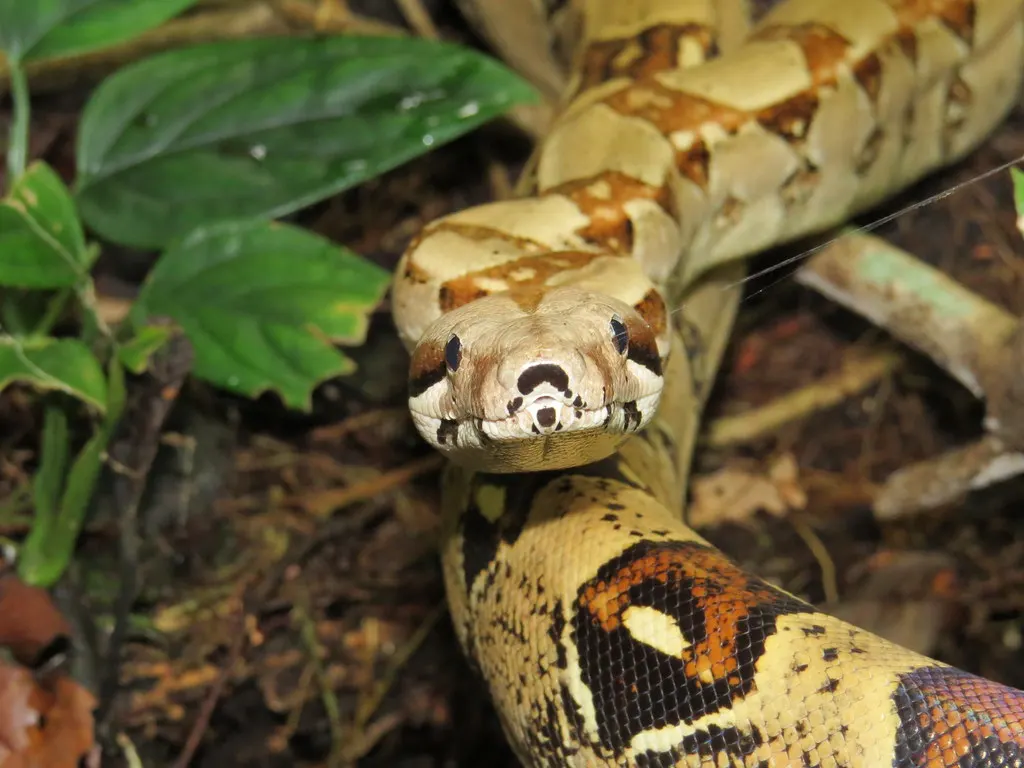
One of the most effective survival tools of the boa constrictor is its natural camouflage. Its patterned skin, composed of earthy tones such as brown, tan, and reddish hues, blends seamlessly into the forest floor covered with leaves, branches, and shadows. This camouflage not only helps the snake avoid predators but also allows it to remain undetected by prey.
Rather than actively chasing animals, the boa constrictor relies on ambush tactics. It remains motionless for extended periods, waiting for an unsuspecting animal to come within striking distance. This strategy conserves energy and increases hunting success.
Physical Characteristics of the Boa Constrictor
Size, Shape, and Coloration
The boa constrictor is a large, muscular snake with a cylindrical body designed for strength and flexibility. Adult individuals typically measure between 2 and 4 meters (6 to 13 feet) in length, although some specimens can grow even larger. Females are generally bigger and heavier than males, a trait that enhances reproductive capacity.
The snake’s body is marked by distinctive saddle-shaped patterns that vary depending on geographic location. In the Amazon rainforest, many boa constrictors display reddish coloration near the tail, giving rise to the common name “red-tailed boa.”
Strength and Anatomical Adaptations
Unlike venomous snakes, the boa constrictor does not rely on toxins to subdue prey. Instead, it uses its powerful muscles to constrict. After striking and securing its prey with sharp, backward-curved teeth, the snake wraps its body around the animal and tightens its coils. This process restricts blood flow and leads to rapid unconsciousness.
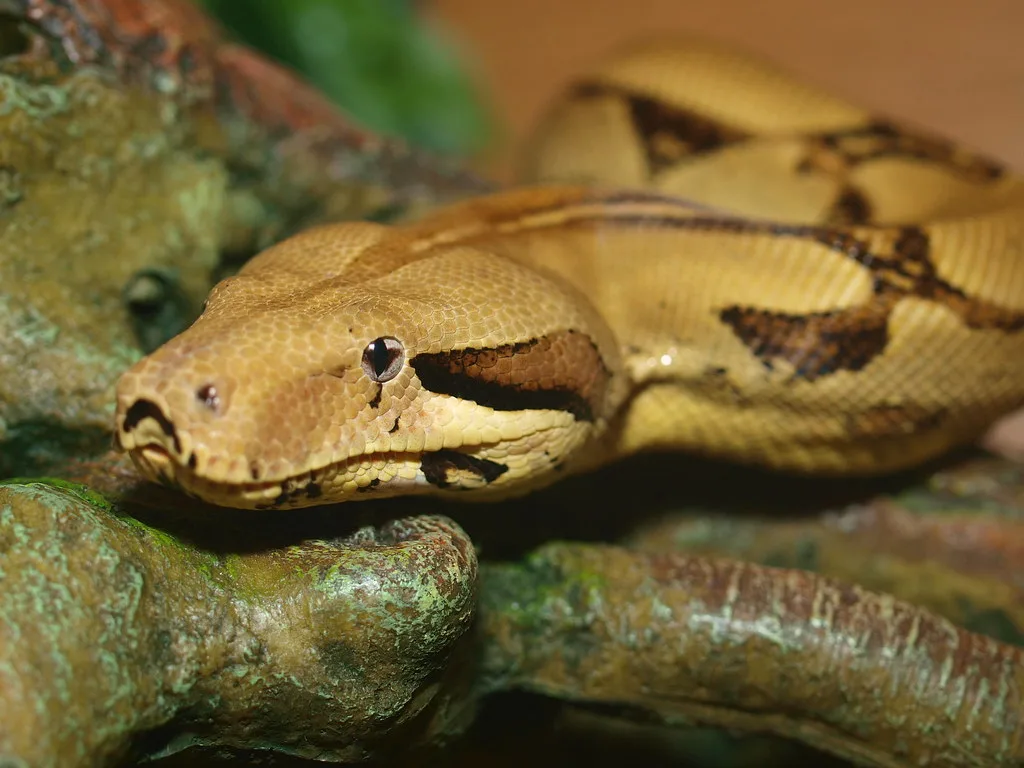
The boa constrictor also possesses specialized anatomical features such as heat-sensing pits located near its mouth. These allow it to detect the body heat of warm-blooded animals, making it an efficient predator even in darkness or dense vegetation.
Behavior and Lifestyle
Nocturnal Activity
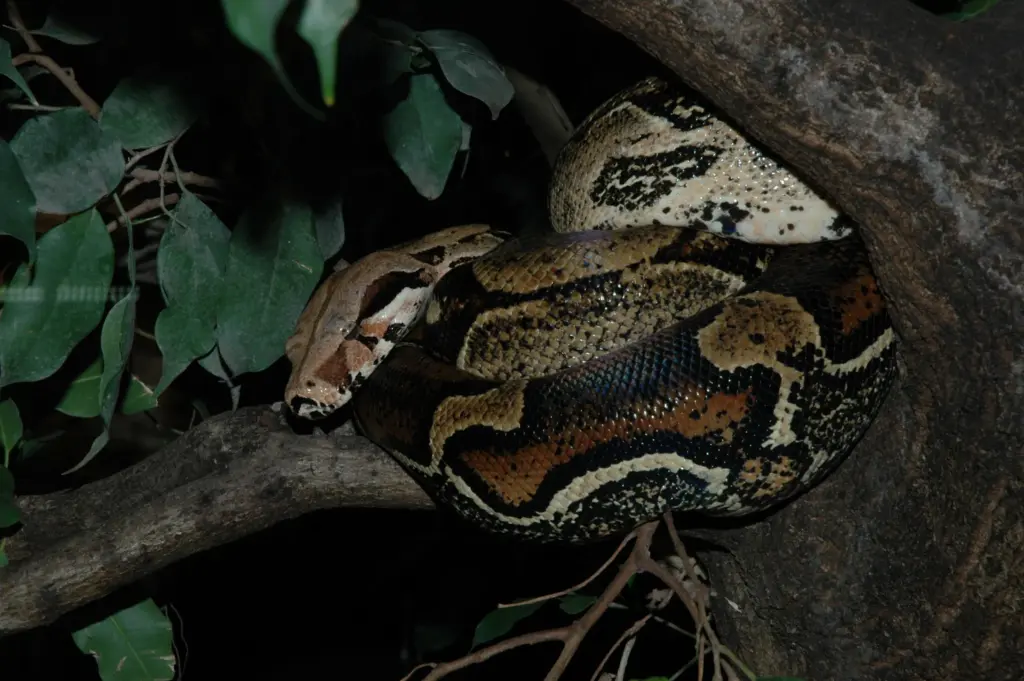
The boa constrictor is primarily nocturnal, meaning it is most active at night. During the day, it seeks shelter in hidden locations such as hollow logs, underground burrows, or thick vegetation. This behavior helps it avoid predators and conserve energy in the heat of the Amazon climate.
At night, the snake emerges to hunt. Its movements are slow and deliberate, allowing it to approach prey without being detected. This quiet, calculated behavior is essential for its ambush hunting strategy.
Sensory Perception
The boa constrictor relies on a combination of sensory adaptations to navigate and hunt effectively. Its forked tongue collects scent particles from the air, which are then analyzed by the Jacobson’s organ in the roof of the mouth. This system allows the snake to “taste” its surroundings and track prey.
In addition, its heat-sensing pits provide a thermal image of nearby animals, giving it a significant advantage in low-light conditions. These combined senses make the boa constrictor a highly efficient predator in the Amazon rainforest.
Diet of the Boa Constrictor in the Amazon
Variety of Prey
The diet of the boa constrictor is diverse and varies depending on the size and age of the snake. Juveniles typically feed on smaller animals such as lizards, frogs, and small rodents. As they grow, their diet expands to include larger prey.
Adult boa constrictors commonly prey on:
- Rodents such as rats and agoutis
- Birds and their eggs
- Bats
- Small mammals including monkeys
- Reptiles
- Occasionally larger animals like capybaras
This adaptability in diet allows the boa constrictor to survive in different areas of the Amazon rainforest.
Feeding Process and Digestion
Once prey is captured and subdued through constriction, the boa constrictor begins the process of swallowing it whole. Its flexible jaw structure, supported by elastic ligaments, enables it to consume animals much larger than its head.
Digestion is a slow but efficient process. After a large meal, the snake may not need to eat again for several weeks or even months. This ability to endure long periods without food is crucial for survival in environments where prey availability may fluctuate.
Reproduction and Life Cycle
Mating and Courtship
Boa constrictors reproduce sexually, with mating typically occurring during the dry season when environmental conditions are more stable. Males locate females through scent trails and may engage in subtle competition with other males for mating opportunities.
Courtship involves close physical contact, with the male aligning his body alongside the female. This process can last several hours or even days.
Live Birth and Early Development
Unlike many reptiles, the boa constrictor gives birth to live young. This reproductive method, known as ovoviviparity, involves eggs developing inside the female’s body until they hatch internally. A single litter can include anywhere from 10 to 60 offspring.
Newborn boas are fully independent from birth. They are miniature versions of adults and must immediately begin hunting small prey to survive.
Growth and Longevity
Young boa constrictors grow rapidly, shedding their skin frequently as they increase in size. As they mature, shedding becomes less frequent. In the wild, these snakes can live up to 20 to 30 years, although lifespan may vary depending on environmental factors and threats.
Role in the Amazon Ecosystem
Predator and Ecological Balance
The boa constrictor plays a vital role in maintaining ecological balance within the Amazon rainforest. By controlling populations of rodents and other small animals, it helps prevent overpopulation and the spread of disease.
This natural regulation contributes to the health of the ecosystem, supporting plant growth and maintaining biodiversity.
Position in the Food Chain
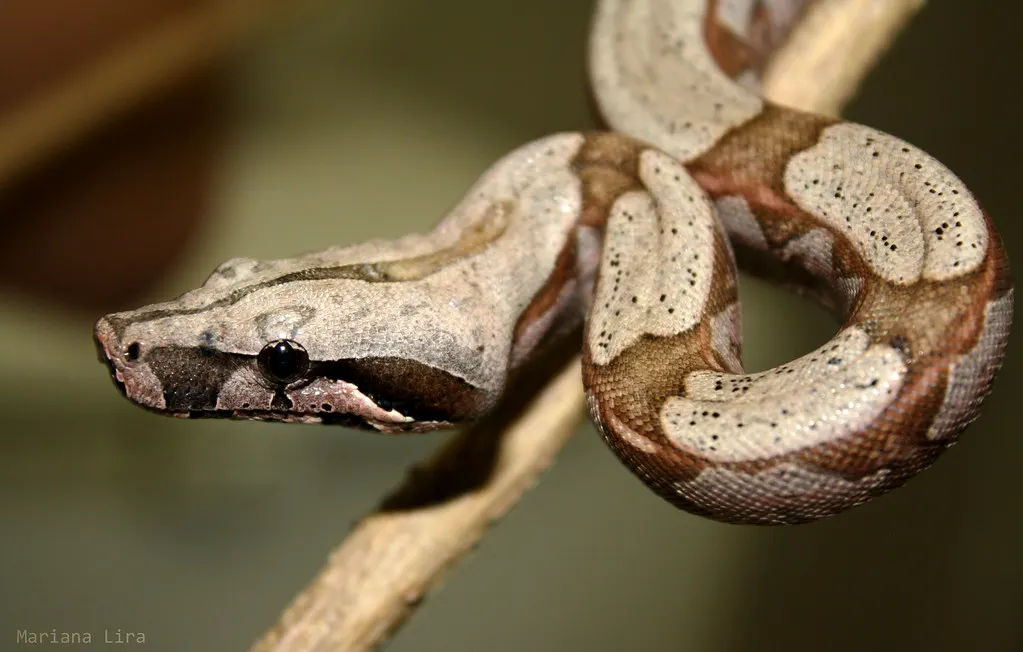
While adult boa constrictors have few natural predators, younger individuals are vulnerable to a range of threats. Birds of prey, large mammals, and even other snakes may prey on juvenile boas.
This dynamic ensures that the population remains balanced and integrated within the broader food web of the Amazon rainforest.
Human Interaction and Misconceptions
Myths and Reality
The boa constrictor is often feared due to its size and method of killing prey. However, attacks on humans are extremely rare. These snakes are generally shy and will avoid human contact whenever possible.
Misconceptions about the species have led to unnecessary fear and, in some cases, harm to the animals. Education and awareness are key to changing these perceptions.
Threats and Conservation Challenges
Despite their resilience, boa constrictors face several threats in the modern world. Deforestation in the Amazon rainforest is one of the most significant challenges, as it reduces available habitat and disrupts ecosystems.
Other threats include illegal wildlife trade and human encroachment. Protecting the Amazon is essential not only for the boa constrictor but also for countless other species that depend on this ecosystem.
Boa Constrictors in the Amazon Experience
Wildlife Observation Opportunities
For travelers visiting the Amazon rainforest, encountering a boa constrictor in the wild is a rare and memorable experience. These snakes are elusive, but sightings are possible during guided excursions.
Common opportunities to see a boa constrictor include:
- Night walks through the jungle
- Boat rides along riverbanks
- Quiet hikes in dense forest areas
Experienced guides increase the chances of spotting wildlife while ensuring safety and respect for the environment.
Ecotourism and Conservation
The presence of species like the boa constrictor enhances the value of ecotourism in the Amazon. Responsible tourism practices help support conservation efforts and provide economic benefits to local communities.
By promoting sustainable travel, visitors can contribute to the preservation of the rainforest and its incredible biodiversity.
Adaptations for Survival
Environmental Flexibility
The boa constrictor’s ability to adapt to different habitats is one of its greatest strengths. It can survive in wet tropical forests, dry areas, and even regions affected by seasonal flooding.
This flexibility allows the species to maintain stable populations across a wide geographic range.
Energy Efficiency and Longevity
Boa constrictors are highly energy-efficient predators. Their slow metabolism enables them to survive long periods without food, reducing the need for frequent hunting.
This adaptation is particularly valuable in environments where prey may not always be readily available.
Subspecies and Regional Variations
The term “boa constrictor” includes several subspecies with slight differences in size, coloration, and habitat preference. In the Amazon rainforest, the most common is the Boa constrictor constrictor, known for its distinctive red tail and robust build.
These regional variations highlight the adaptability of the species and its ability to thrive in diverse environments across South America.
The Future of the Boa Constrictor
Conservation Efforts
Efforts to protect the Amazon rainforest are essential for the survival of the boa constrictor. Conservation initiatives focus on preserving habitats, reducing illegal trade, and promoting sustainable land use.
Protected areas and national reserves play a crucial role in safeguarding biodiversity.
Importance of Education and Awareness
Raising awareness about the ecological importance of the boa constrictor can help reduce fear and encourage conservation. Understanding the role of this species in the ecosystem is key to ensuring its long-term survival.
Conclusion
The boa constrictor is a remarkable symbol of strength, adaptability, and ecological importance in the Amazon rainforest. Its ability to thrive in diverse environments, combined with its role as a top predator, makes it an essential part of the ecosystem.
While often misunderstood, the boa constrictor is not a threat to humans when respected and observed responsibly. Instead, it is a vital contributor to the balance and health of the rainforest.
As environmental challenges continue to impact the Amazon, protecting species like the boa constrictor becomes increasingly important. Through conservation, education, and responsible tourism, we can ensure that this incredible snake continues to inhabit the world’s largest rainforest for generations to come.