Solo travel in the Amazon rainforest is more than just a journey—it’s a deeply immersive experience that pushes you beyond your comfort zone and into one of the most biodiverse ecosystems on Earth. Traveling alone through this vast and mysterious jungle allows you to fully embrace the sights, sounds, and rhythms of nature while discovering your own resilience and independence.
Unlike traditional destinations, the Amazon is raw, untamed, and unpredictable. It’s a place where towering trees block out the sky, where rivers act as highways, and where every sound—whether it’s a distant howl or a rustling leaf—tells a story. For solo travelers, this creates a powerful sense of connection, both to the natural world and to oneself.
Why Choose Solo Travel in the Amazon Rainforest?
Solo travel in the Amazon rainforest offers a level of freedom and introspection that is difficult to achieve in more conventional travel settings. Without the influence of companions, every decision becomes your own, allowing for a more personal and meaningful journey.
The sense of independence is one of the biggest draws. You can wake up at dawn to hear the jungle come alive, spend extra time observing wildlife, or simply sit quietly by the river and absorb the environment. This flexibility allows you to shape your experience based on your interests and energy levels.
Another key advantage is the depth of connection you can develop with the environment. The Amazon is not just a destination—it’s an ecosystem filled with intricate relationships between plants, animals, and indigenous cultures. Traveling solo often heightens awareness, making each encounter feel more vivid and impactful.
Additionally, solo travel encourages personal growth. Navigating new environments, adapting to challenges, and stepping into the unknown all contribute to building confidence and self-reliance.
Best Destinations for Solo Travel in the Amazon
Choosing the right destination is essential for a successful solo trip. Some regions of the Amazon are more accessible and better equipped for independent travelers, offering a balance of adventure and safety.
Puerto Maldonado, Peru
Puerto Maldonado is one of the most popular entry points into the Amazon rainforest and an excellent choice for solo travelers. Located in southeastern Peru, it serves as the gateway to the Tambopata National Reserve, a biodiversity hotspot known for its incredible wildlife.
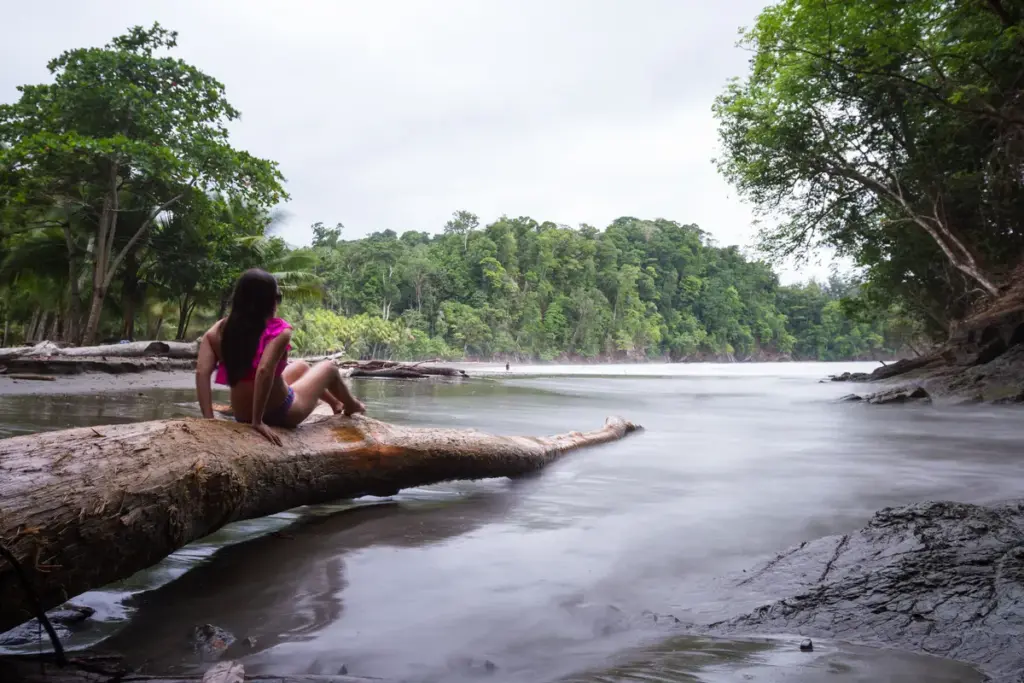
The town is easily accessible by air and offers a wide range of eco-lodges that cater to solo travelers. These lodges typically provide guided tours, meals, and transportation, making it easy to explore the jungle without logistical stress.
Iquitos, Peru
For those seeking a more remote and adventurous experience, Iquitos is an ideal destination. As one of the largest cities in the world inaccessible by road, it offers a true sense of isolation and immersion.
From Iquitos, travelers can venture deep into the northern Amazon via riverboats or luxury cruises. The surrounding rainforest is rich in wildlife and cultural experiences, making it a rewarding destination for solo explorers.
Manaus, Brazil
Manaus is a bustling city located in the heart of the Brazilian Amazon. It combines urban infrastructure with easy access to the rainforest, making it a convenient starting point for river cruises and guided expeditions.
One of the highlights near Manaus is the Meeting of the Waters, where two rivers flow side by side without mixing—a fascinating natural phenomenon.
Leticia, Colombia
Leticia is a quieter and less touristy option, located at the border of Colombia, Peru, and Brazil. It offers a unique cultural experience, with opportunities to interact with indigenous communities and explore lesser-known parts of the rainforest.
For solo travelers looking for authenticity and fewer crowds, Leticia is an excellent choice.
Is Solo Travel in the Amazon Safe?
Safety is a major consideration when planning solo travel in the Amazon rainforest. While the environment can be challenging, it is generally safe when approached responsibly.
The most important rule is to never explore the jungle alone without a guide. The Amazon is vast and complex, and experienced local guides are essential for navigation, wildlife awareness, and emergency situations.
Staying in reputable jungle lodges significantly enhances safety. These lodges are equipped with trained staff, structured itineraries, and safety protocols, ensuring that solo travelers can explore with confidence.
Preparation is also key. Understanding the climate, packing appropriate gear, and being aware of potential risks—such as insects, heat, and humidity—can make a significant difference in your overall experience.
When Is the Best Time for Solo Travel in the Amazon?
The Amazon rainforest is a year-round destination, but seasonal variations can impact your experience.
During the dry season, which typically runs from May to October, trails are more accessible, making it easier to hike and explore on foot. Mosquito levels are generally lower, and wildlife tracking is more straightforward.
In the wet season, from November to April, water levels rise, allowing for canoe travel through flooded forests. This creates unique opportunities to explore areas that are inaccessible during the dry season and often brings wildlife closer to waterways.
Both seasons offer distinct advantages, so the best time to visit depends on your preferred activities and travel style.
How to Plan a Solo Amazon Trip
Planning a solo trip to the Amazon rainforest requires careful consideration, but it doesn’t have to be overwhelming.
The first step is choosing your entry point. Whether you prefer the accessibility of Puerto Maldonado or the remoteness of Iquitos, your choice will shape your overall experience.
Booking a jungle lodge or guided tour is highly recommended for solo travelers. These packages typically include accommodation, meals, transportation, and daily excursions, simplifying logistics and providing a structured environment.
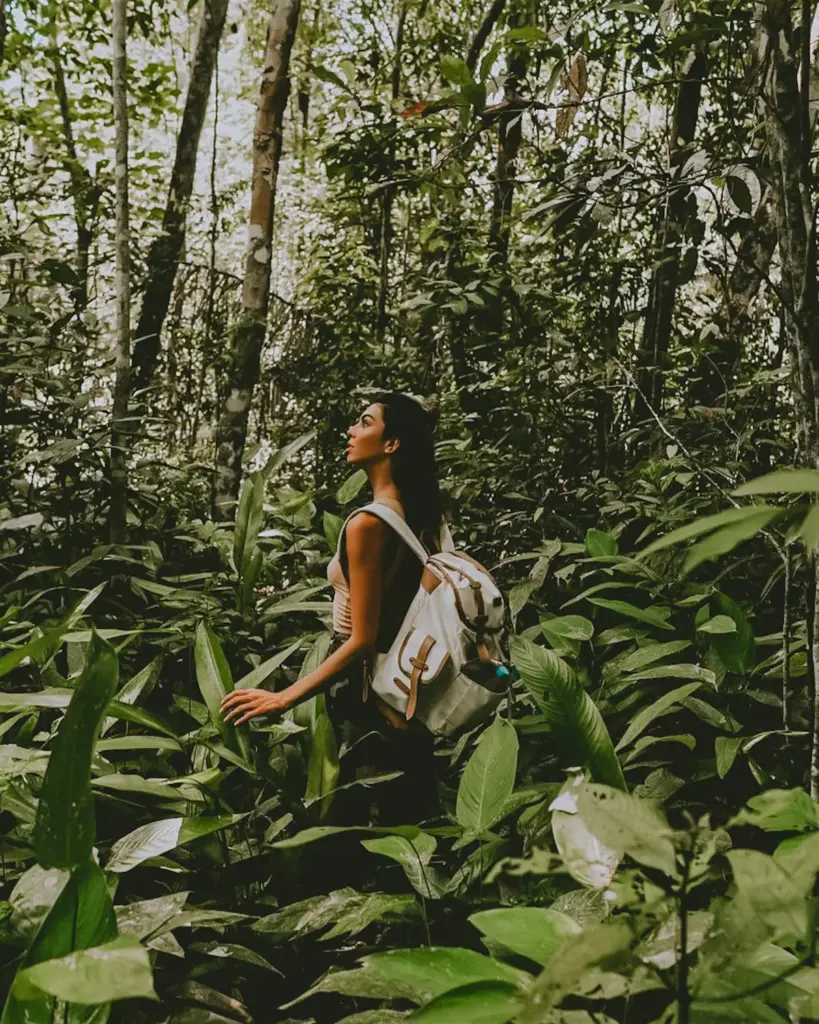
Budgeting is another important factor. Costs can vary widely depending on the level of comfort and the type of experience you choose. While budget options are available, investing in a reputable lodge often enhances safety and overall quality.
Finally, planning your activities in advance ensures that you make the most of your time in the rainforest. From wildlife spotting to cultural visits, the Amazon offers a wide range of experiences that cater to different interests.
What to Pack for Solo Travel in the Amazon 🌴
Packing appropriately is essential for a comfortable and safe journey. The Amazon’s climate is hot, humid, and unpredictable, so lightweight and functional clothing is a must.
Long-sleeve shirts and pants provide protection from insects and the sun, while a waterproof jacket helps you stay dry during sudden बारिश. Durable hiking shoes are important for navigating uneven terrain.
Health and safety items should not be overlooked. Insect repellent, sunscreen, and a basic first aid kit are essential. Depending on your destination, you may also need vaccinations or preventive medications, so it’s best to consult a healthcare professional before your trip.
Practical gear such as a headlamp, reusable water bottle, and dry bag can greatly enhance your experience, especially during excursions and river travel.
Unique Experiences for Solo Travelers
One of the most rewarding aspects of solo travel in the Amazon rainforest is the opportunity to engage in unique and unforgettable experiences.
Wildlife encounters are among the highlights. The Amazon is home to an incredible variety of species, from sloths and monkeys to exotic birds and amphibians. Observing these animals in their natural habitat is both thrilling and humbling.
Night jungle walks offer a completely different perspective of the rainforest. As darkness falls, nocturnal creatures emerge, and the jungle transforms into a symphony of sounds and movements.
Canoe trips through flooded forests provide a शांत and immersive way to explore the environment. Gliding through still waters surrounded by towering trees creates a surreal and almost dreamlike experience.
Cultural interactions with indigenous communities add another layer of depth to your journey. Learning about traditional practices, medicinal plants, and local customs provides valuable insight into life in the Amazon.
Benefits of Staying in Amazon Jungle Lodges
For solo travelers, jungle lodges offer a perfect balance of independence and support. They provide a safe and structured environment while still allowing for personal exploration.
One of the main benefits is the sense of community. Even when traveling alone, you’ll have opportunities to meet other travelers during meals and group excursions.
Guided experiences are another advantage. With expert guides leading daily activities, you can explore the rainforest with confidence and gain a deeper understanding of the ecosystem.
Comfort and safety are also key factors. Lodges are designed to accommodate the challenges of the environment, offering essential amenities and support systems.
Challenges of Solo Travel in the Amazon
While solo travel in the Amazon rainforest is incredibly rewarding, it also comes with challenges that should not be overlooked.
Limited connectivity can be difficult for some travelers. Many remote areas have little to no internet access, requiring you to fully disconnect from the digital world.
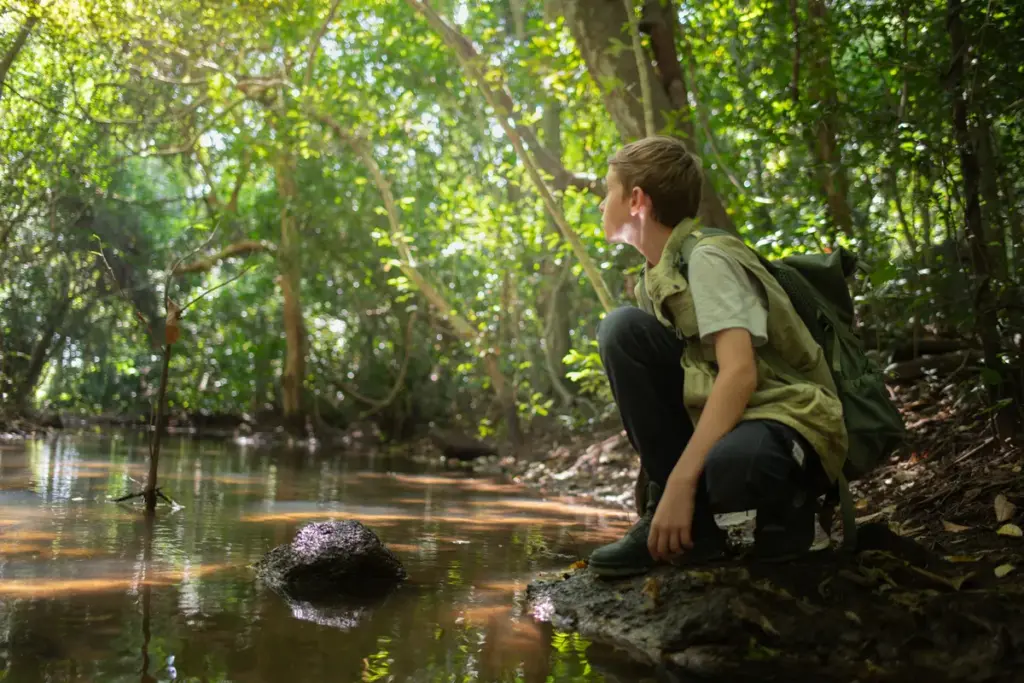
The physical demands of the environment can also be taxing. Heat, humidity, and long excursions require stamina and proper hydration.
Language barriers may arise, especially in more remote areas. While many guides speak English, having basic knowledge of Spanish or Portuguese can be helpful.
Tips for First-Time Solo Travelers
If you’re new to solo travel, the Amazon may seem intimidating at first. However, with the right approach, it can be a manageable and deeply rewarding experience.
Starting with a guided tour is one of the best ways to ease into solo travel. It provides structure and support while still allowing for independence.
Keeping your itinerary simple helps reduce stress and allows you to fully enjoy each moment. The Amazon is not a place to rush—it’s a place to experience.
Maintaining an open mindset is also important. Unexpected situations are part of the adventure, and embracing them can lead to some of the most memorable moments.
Sustainable and Responsible Solo Travel 🌱
The Amazon rainforest is a fragile and vital ecosystem, making responsible travel essential.
Choosing eco-friendly lodges supports conservation efforts and helps protect the environment. These lodges often implement sustainable practices and contribute to local communities.
Respecting wildlife is equally important. Observing animals from a distance and avoiding interference ensures their safety and preserves natural behaviors.
Supporting local communities through responsible tourism helps sustain traditional ways of life and promotes cultural preservation.
Solo Travel vs Group Travel in the Amazon
Solo travel and group travel each offer unique advantages, and the best choice depends on your preferences.
Traveling solo provides independence, flexibility, and opportunities for personal reflection. It allows you to fully immerse yourself in the experience without distractions.
Group travel, on the other hand, offers shared experiences and a built-in support system. It can also reduce costs and provide additional security.
For many travelers, a combination of both—traveling solo while participating in guided group activities—offers the ideal balance.
Sample 5-Day Solo Amazon Itinerary
A well-structured itinerary can help you make the most of your time in the rainforest.
On the first day, you’ll typically arrive at your lodge, settle in, and participate in an introductory walk to familiarize yourself with the surroundings.
The second day might include early morning birdwatching followed by an afternoon canoe excursion, offering opportunities to observe wildlife.
The third day often focuses on deeper exploration, with guided hikes and visits to local communities.
On the fourth day, river activities such as fishing or dolphin spotting can be combined with a night jungle walk for a full-day experience.
The final day usually includes a sunrise activity before returning to your departure point.
Cost of Solo Travel in the Amazon
Understanding the cost of solo travel in the Amazon rainforest is essential for planning your trip.
Prices vary depending on the level of comfort and the type of experience you choose. Budget options typically range from $100 to $150 per day, while mid-range lodges can cost between $150 and $300 per day. Luxury experiences can exceed $300 per day.
To save money, consider booking all-inclusive packages, traveling during shoulder seasons, and comparing different lodges.
Is Solo Travel in the Amazon Worth It?
Solo travel in the Amazon rainforest is an extraordinary journey that goes far beyond typical travel experiences. It offers a rare opportunity to step into one of the world’s most remarkable ecosystems and experience it on your own terms.
From the thrill of wildlife encounters to the शांत moments of reflection by the river, every aspect of the journey contributes to a deeper understanding of both nature and yourself.
For those seeking adventure, personal growth, and a genuine connection with the natural world, solo travel in the Amazon is not just worth it—it’s unforgettable.